Massage Therapy and Sleep: An Underrated Connection
Ask people what they would most like to improve about their health and sleep consistently ranks near the top. Ask them what they have tried and you will hear about apps, supplements, blackout curtains, and screen curfews. Far fewer mention bodywork, yet the relationship between massage and sleep quality is one of the more consistently reported benefits among people who receive regular treatment. Understanding why explains a good deal about sleep itself.
The Nervous System Connection
Sleep requires a physiological shift: from the sympathetic state that carries you through a demanding day into the parasympathetic state associated with rest and recovery. Many people who sleep poorly are not lacking opportunity; they are lacking that transition. They lie down with a body still operating in alert mode, which is why the mind races and muscles will not settle.
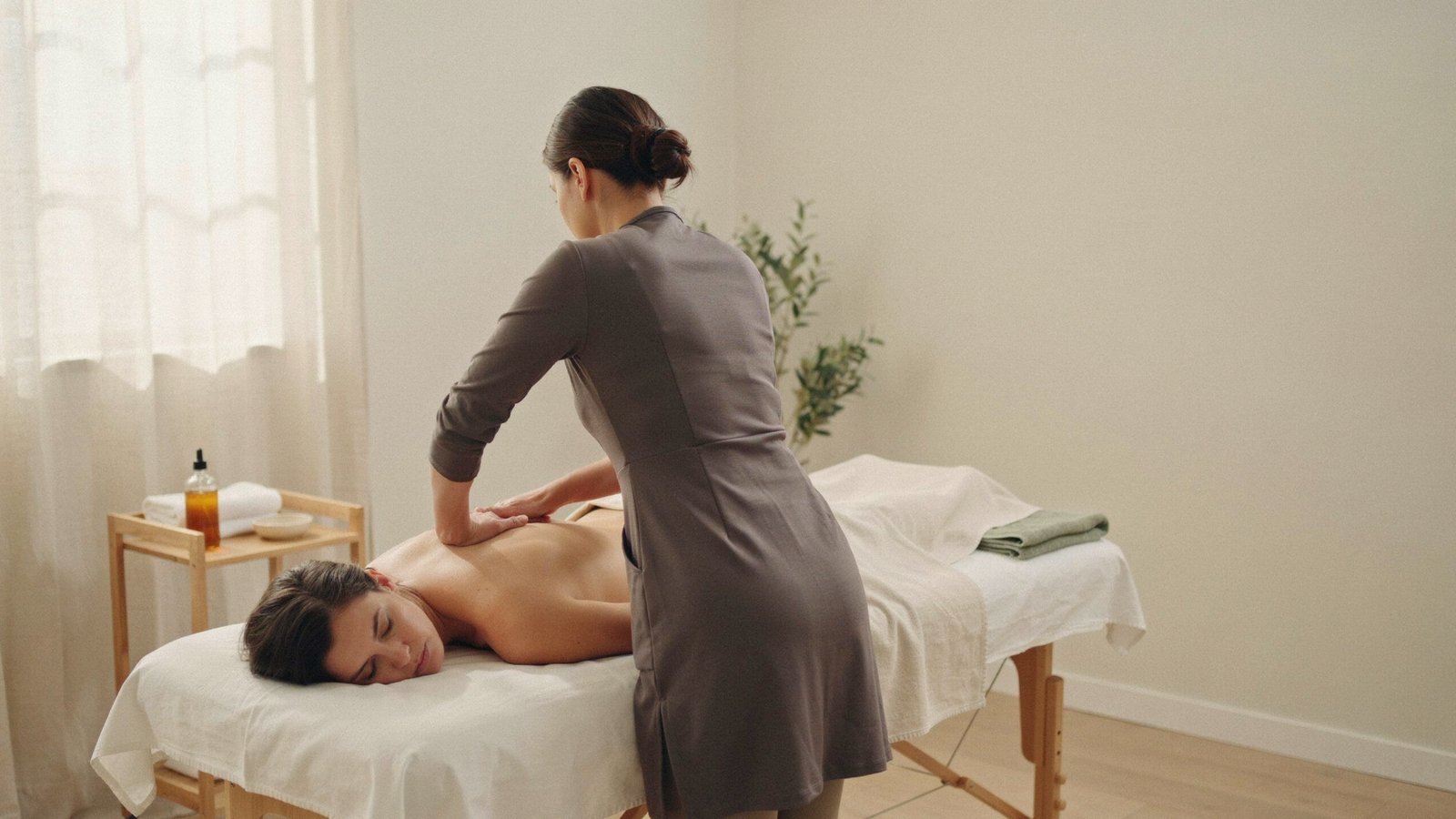
Massage acts directly on this transition. Sustained, rhythmic touch measurably shifts the nervous system toward the parasympathetic state, lowering heart rate and easing the physical tension that keeps the body signaling alertness. Many clients notice the effect on the night of a session, and regular clients often report that the improvement persists for several days afterward.
Pain, Tension, and the Sleep Cycle
There is also a straightforward mechanical explanation. Physical discomfort disrupts sleep, and disrupted sleep lowers pain tolerance, which increases perceived discomfort the following day. This loop is familiar to anyone with chronic neck or back tension, and it strengthens over time.
Reducing the physical tension breaks one link in that cycle. When shoulders are not aching and the lower back is not protesting, falling asleep is easier and staying asleep is more likely. Regular clients at any established massage center Safety Harbor residents rely on frequently cite better sleep as the benefit that surprised them most, ahead of the pain relief they originally booked for.
Stress, Cortisol, and Bedtime
The stress dimension matters as much as the physical one. Elevated stress hormones interfere with the natural rhythm that governs sleep timing, which is why demanding periods produce both exhaustion and insomnia simultaneously. Practices that lower physiological stress support that rhythm, and bodywork is among the more reliable and pleasant ways to do it.
Making the Most of the Effect
A few practical adjustments amplify the benefit. Schedule sessions in the late afternoon or evening when your schedule allows, so the relaxation carries into bedtime rather than being undone by an afternoon of work. Hydrate afterward, keep the evening low-stimulation rather than jumping straight back into screens and errands, and treat the hours after a session as a continuation of the treatment.
Consistency matters more than timing, though. Monthly or biweekly sessions maintain lower baseline tension, which supports sleep continuously rather than in isolated bursts.
Where It Fits
Massage is not a treatment for sleep disorders, and persistent insomnia deserves medical evaluation, particularly if you suspect a condition such as sleep apnea. What bodywork offers is support for the ordinary, extremely common version of poor sleep: a body that carries too much tension and a nervous system that never fully downshifts. For that, it works remarkably well, and it is considerably more pleasant than most of the alternatives.