Why a Small Custom Paint by Numbers Kit Is the Easiest Way to Start a Creative Habit
Most people want a creative outlet. Few of them get past the blank page. A big canvas feels like a commitment, a sketchbook feels like a test, and the supplies sit in a drawer for months.
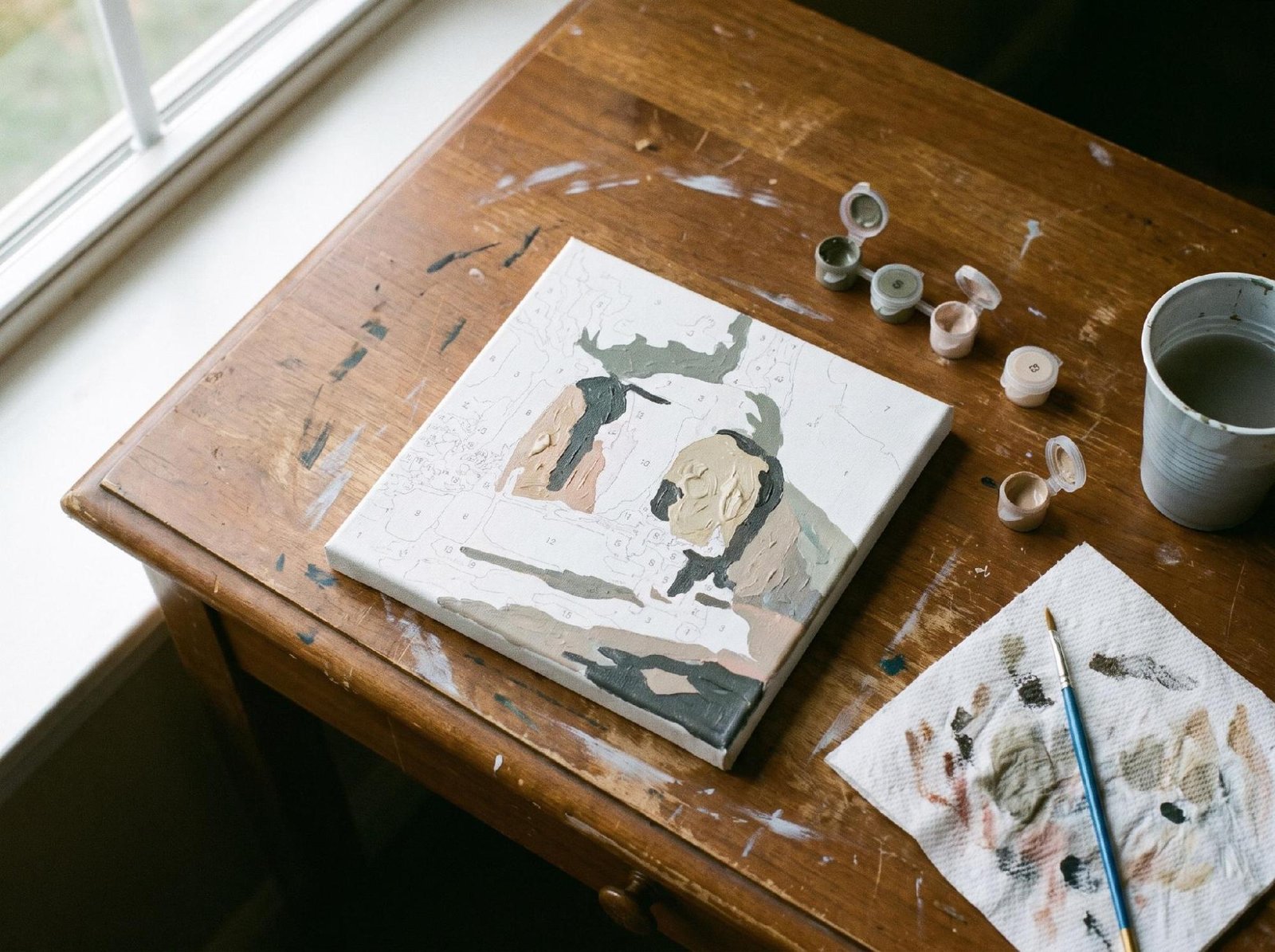
Guided painting removes most of that friction. The outline is already drawn, every shape has a number, and you only decide which brush to pick up next. Go small and the project shrinks further, to something you can finish over a handful of evenings rather than a season.
Why Small Works Better Than You’d Expect
If you’re new to painting, a small custom paint by numbers kit made from your own photo is the lowest-risk way to start. NumberArtist, which makes kits like this, builds the template from whatever picture you send, so the finished piece is of something you already care about, such as a pet, a trip, or a kitchen table full of family.
Size is the real advantage. A small canvas has fewer numbered sections, so you see progress within the first session. It finishes in days rather than weeks, it fits on a desk or a shelf, and it costs little enough that a half-finished attempt doesn’t sting. The usual reason people quit a hobby is that the early stretch feels endless. A small canvas shortens that stretch.
There’s a tradeoff. Fine detail gets crowded as the canvas shrinks, so a face in a group photo may blur into a few patches of color. Choose a subject that reads clearly at a small scale and you’ll avoid most of the disappointment.
Picking a Photo That Survives the Conversion
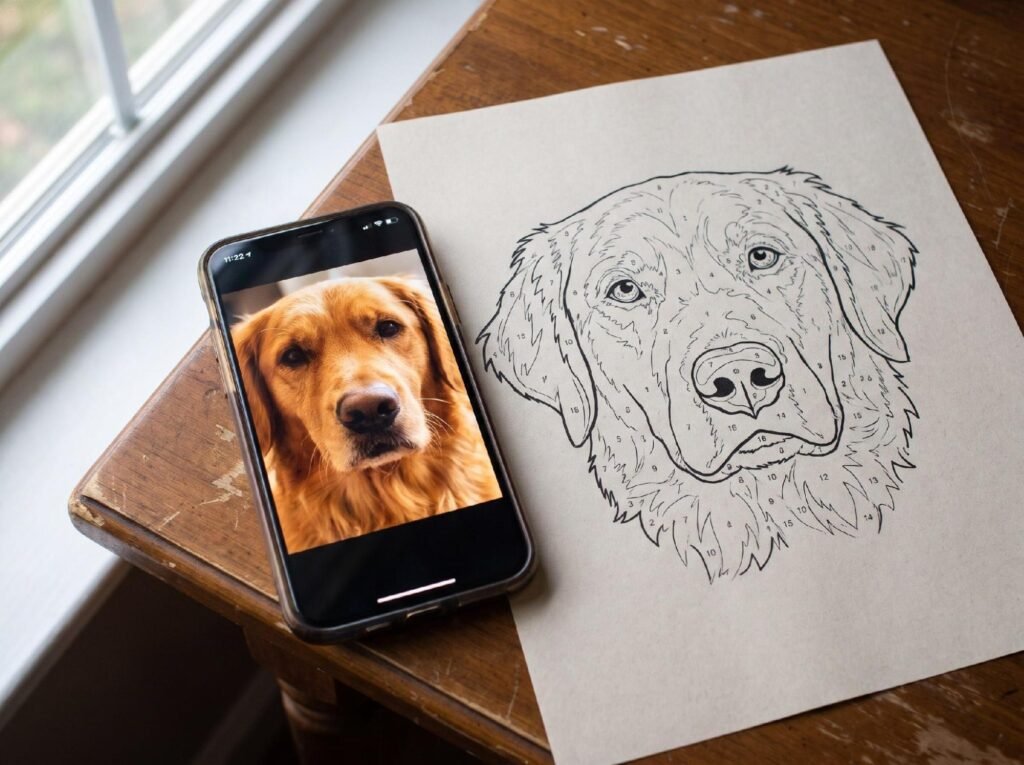
The photo decides how the kit turns out. Start with a sharp, well-lit image with one clear subject, ideally close to the camera. Backlit shots, heavy filters, and crowded backgrounds all turn into messy templates with hundreds of tiny regions.
A few habits help:
- Crop to the proportions of the canvas before you upload, so nothing important gets cut off.
- Pick a subject with strong contrast against its background.
- Keep the palette modest. Around 20 to 30 colors suits a beginner, and a small canvas usually needs fewer.
- Print the template on plain paper at home first, so you can see how busy it looks before you commit.
If the printed outline looks cluttered, choose a different photo. That ten-minute test saves a lot of frustration later.
What the Research Says About Short Creative Sessions
You don’t need long stretches of free time for painting to help. In a 2016 Drexel University study published in the journal Art Therapy, Girija Kaimal and colleagues measured cortisol in 39 healthy adults before and after 45 minutes of art making. Cortisol, a stress hormone, dropped in 75 percent of participants, and prior art experience made no difference.
Interest in this is widespread. A July 2023 American Psychiatric Association poll of 2,202 adults found that 46 percent use creative activities to relieve stress or anxiety, and 24 percent named drawing, painting, or sculpting specifically.
Be careful about what this proves. The Drexel participants used a range of art materials, not paint by numbers kits. Still, it supports a practical point: a structured task with clear next steps is easier to begin than an open-ended one, and beginning is the hard part. Nobody needs talent for this. They need a reason to sit down.
Building the Habit Without Burning Out
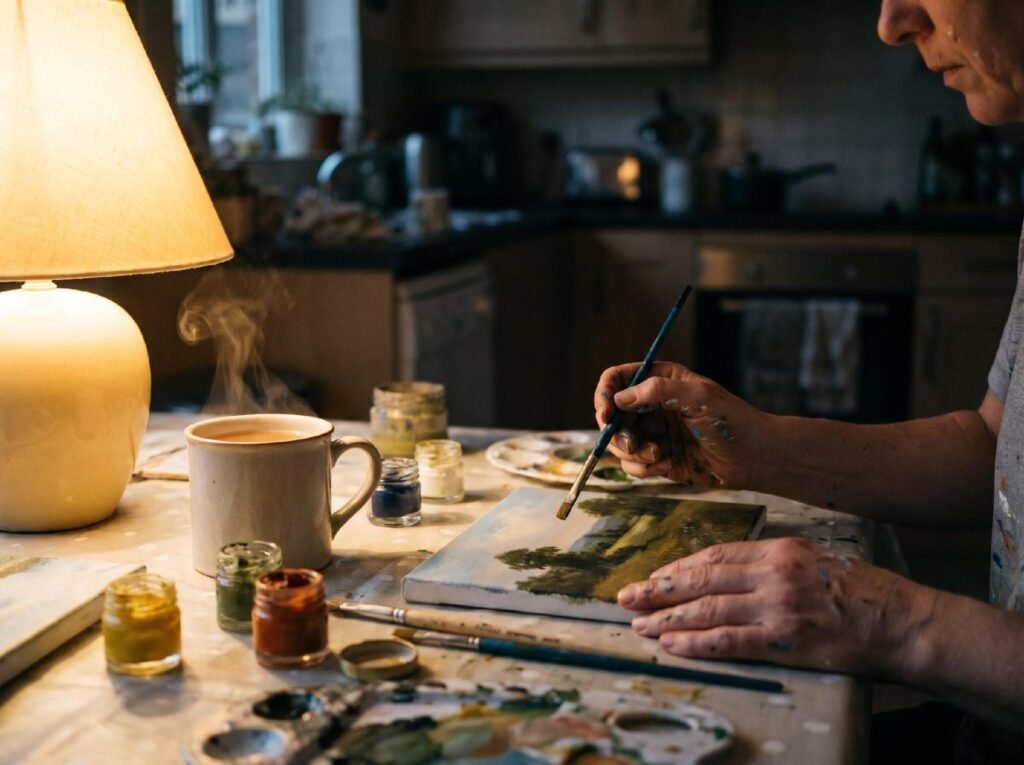
Treat the canvas like any other small routine. Twenty to thirty minutes, same table, same time of day, is plenty. Put on music, keep a good lamp nearby, and set out your brushes before you sit down so there’s no setup to talk yourself out of.
Work region by region instead of jumping across the canvas. Many painters start with the darkest shades and finish with the lightest, which keeps wet paint from smudging under their hand. Cover each section fully, let it dry, and move on.
Expect uneven lines. They’re part of the look, and the numbers keep the picture readable even when your edges wobble. If a session goes badly, stop after one color and come back tomorrow. A habit survives a bad Tuesday; it rarely survives a guilty week of skipping.
Finishing and Displaying a Small Piece
A small painting is easy to show off. Frame it, lean it on a bookshelf, or hang it above a desk. Pick a frame that picks up one of the painting’s main colors and the piece will sit comfortably in the room without much effort. It also works as a gift, particularly when the photo is of someone or something the recipient loves.
Start With One Photo
Pick one photo, one small canvas, and one week of evenings. Don’t wait for the right mood or a free weekend. By the time the last number is filled in, you’ll have a finished piece and a routine you can carry into the next one.