The Port of Civitavecchia: What It Actually Is, Beyond the Cruise Terminal
Most visitors experience the port of Civitavecchia as a corridor. They come down a gangway, get on a shuttle bus, get off at a gate, and head for Rome. By evening they are back on the ship, and the place where they spent eleven hours remains, in memory, a bus stop.
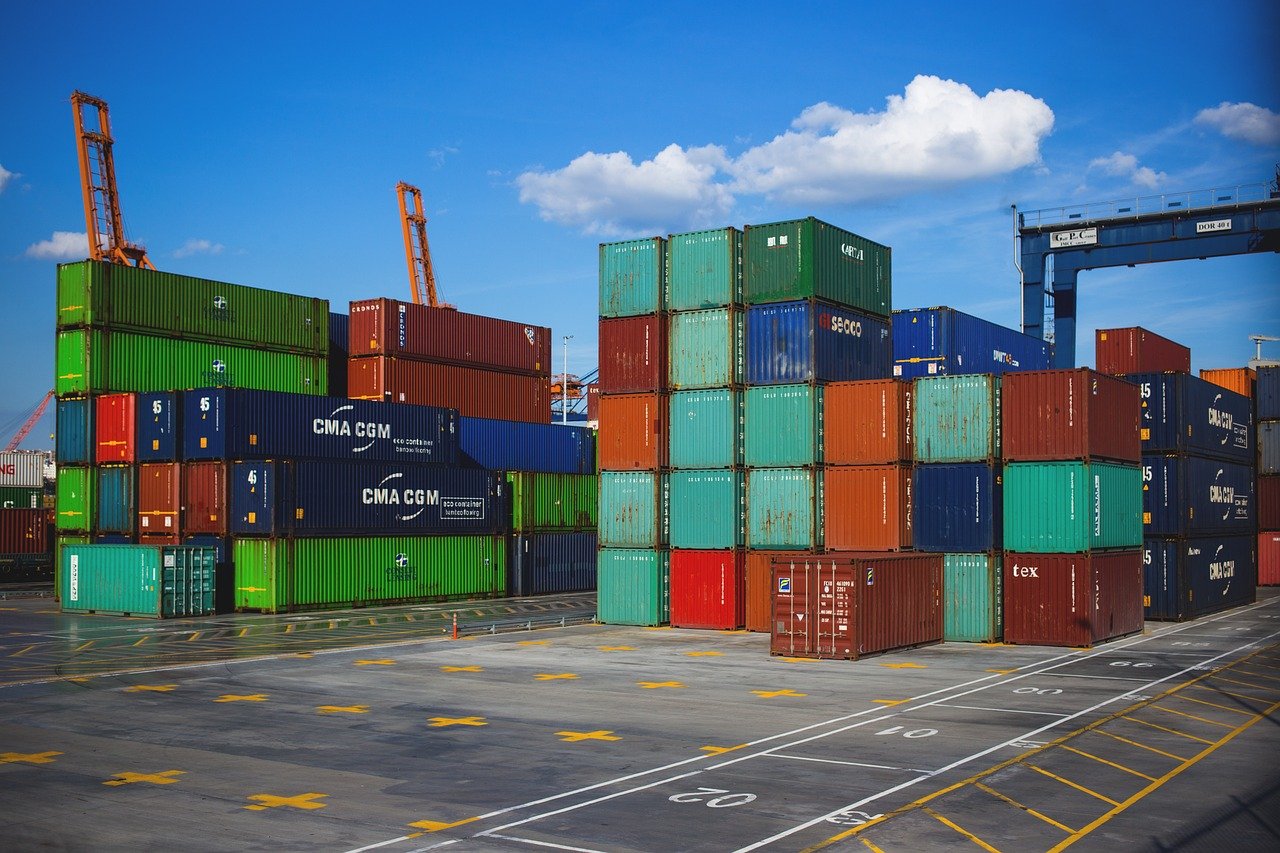
It is worth knowing what you are actually standing in. Civitavecchia is a working harbor with roughly 13 kilometers of quays and 25 operational berths, moving around 11 million tonnes of bulk cargo a year alongside the cruise traffic. The cruise ships are the most visible part of it, not the whole of it — and understanding the layout is the difference between a smooth morning and an hour spent wondering where you are supposed to go.
A port that predates almost everything near it
The harbor was built around 106 AD on the orders of the Emperor Trajan, who founded the city then called Centumcellae. The engineering was handled by Apollodorus of Damascus, the architect behind Trajan’s Column and the bridge over the Danube.
The structure that dominates the inner harbor came much later. In 1508 Pope Julius II commissioned Donato Bramante to build a fortress on the Roman remains; it was finished in 1537, and tradition credits Michelangelo with a hand in the upper tier, which is where the name Forte Michelangelo comes from. It stands directly on the waterfront, a few minutes’ walk from where the port shuttle leaves you, and it is the one piece of the town that everyone sees from the ship without realizing it can be reached on foot.
How the port is laid out
This is the part worth reading before you disembark.
The cruise operation is run by Roma Cruise Terminal across five terminals, spread along the Cristoforo Colombo breakwater at piers 10 through 13bis, plus pier 25 on the opposite side. The newest is the Donato Bramante Terminal on pier 12, opened in December 2025; the largest is the Amerigo Vespucci Terminal, opened in 2018 at 12,500 square meters, among the biggest in Europe.
Which terminal your ship uses is assigned by the port, not chosen by the cruise line, and it changes the length of your morning. A berth on the far breakwater means a longer shuttle ride than one close to the gate.
Everything funnels to one place: Largo della Pace, the service center that acts as the reference point for cruise passengers. A free shuttle connects all the cruise piers to it. This is where taxis wait, where drivers can collect you, and where the walk into town begins. Private vehicles cannot drive to the ship, so whatever transport you have arranged, your day starts here.
From Largo della Pace the historic center and the waterfront are walkable. The train station is roughly a fifteen to twenty minute walk.
The service most guides miss
There is a direct connection between Civitavecchia train station and the cruise docks, in both directions, reserved for cruise passengers. It runs only on ship arrival and departure days, roughly from 7:00 in the morning until 18:30 or 19:00, and costs €6 each way, paid on board.
If you are determined to take the train to Rome and would rather not walk to the station with luggage, this is the piece of information that makes the plan work. Check current times and conditions on the official Port Mobility site before relying on it, since schedules follow the ship calendar.
The other half of the harbor
North of the cruise piers the port does its other job. Ferries run to Olbia, Golfo Aranci, Cagliari, Arbatax and Porto Torres in Sardinia, to Palermo and Termini Imerese in Sicily, and further to Barcelona and Tunis. There is a fishing fleet, a container operation, and the Motorways of the Sea freight services that have grown considerably in recent years.
This matters practically for one reason: on a busy morning you are not only sharing the roads around the port with other cruise passengers, but with freight traffic and ferry passengers driving their own cars onto ships. The approach roads are busier than the number of cruise ships alone would suggest.
Getting from the port to Rome
Rome is 80 kilometers away, and there are three realistic ways to cover them.
The regional train. Inexpensive and frequent, running from Civitavecchia station to several Rome stations including San Pietro, Trastevere, Ostiense and Termini, with a journey time of roughly an hour to an hour and a half. It is the right choice for one or two people travelling light with a flexible day. The cost is everything that happens before the platform: reaching the station, buying the ticket, and waiting for a departure scheduled without reference to when your group left the ship.
Taxis at Largo della Pace. Available and regulated, and perfectly workable when few ships are in. On a morning with several turnarounds the rank thins out, and any group of five or more needs two cars, which means two fares and two arrival times at the same address.
A pre-booked private transfer. The argument here is not speed over the 80 kilometers, which are the same for everyone. It is that the pickup is arranged around your actual disembarkation rather than a timetable, that one vehicle takes the whole group and all the luggage in a single movement, and that a licensed NCC car holds the permits to enter Rome’s restricted traffic zones and reach a hotel door rather than stopping at the boundary. For anyone with a flight the same day, a group of six or seven, or mobility limits, a private transfer from Civitavecchia port to Rome removes the parts of the day that are hardest to control. For a couple with a daypack and no deadline, the train is genuinely fine, and there is no need to overcomplicate it.
Staying in Civitavecchia instead
On a short port call — say six hours or less, or a late docking — the 160 kilometers of round trip to Rome eat most of the day. The honest alternative is to stay.
Within walking distance of Largo della Pace there is the Forte Michelangelo on the waterfront, a covered market in the historic center, a seafront promenade, and a working fishing town’s worth of places to eat fish that came in that morning. It is not Rome. It is also not two hours in a vehicle each way.
Frequently asked questions
How far is the port of Civitavecchia from Rome?
About 80 kilometers. By road the drive takes roughly an hour and a quarter to an hour and a half depending on traffic. By regional train from Civitavecchia station the journey is approximately one hour to an hour and a half, depending on the service.
Can a car pick me up at my ship in Civitavecchia?
No. Private vehicles cannot reach the cruise berths. All road transport, taxis included, starts from the Largo della Pace service center, which is connected to every cruise pier by a free shuttle.
How do I get from the cruise terminal to Civitavecchia train station?
Take the free port shuttle to Largo della Pace, then walk roughly fifteen to twenty minutes. There is also a paid service connecting the station directly with the cruise docks for cruise passengers, operating on ship days at around €6 each way.
How many cruise terminals does Civitavecchia have?
Five, operated by Roma Cruise Terminal along the Cristoforo Colombo breakwater and at pier 25. The Amerigo Vespucci Terminal, opened in 2018, is among the largest in Europe; the Donato Bramante Terminal on pier 12 opened in December 2025.
Is Civitavecchia worth visiting on its own?
On a short port call, yes. The Forte Michelangelo, the covered market, the seafront and the fish restaurants are all walkable from where the port shuttle leaves you, and you keep the hours that a round trip to Rome would consume.
Why was the port of Civitavecchia built?
It was constructed around 106 AD under the Emperor Trajan as the maritime gateway to Rome, in a city then named Centumcellae. It has functioned as a working harbor more or less continuously since, and still handles freight and ferries alongside cruise traffic.