How to Choose the Right Water Heater for Your Kansas City, Missouri and Kansas Home
Key Takeaways
- The right water heater depends on household demand, available fuel, installation space, and long-term operating costs.
- Tank, tankless, heat pump, solar, and point-of-use systems each suit different homes and routines.
- Proper sizing helps prevent cold showers, unnecessary energy use, and premature wear.
- Kansas City homeowners should consider winter temperatures, basement or garage conditions, and local installation requirements.
- Purchase price matters, but installation, maintenance, and energy use also shape the total cost of ownership.
Choosing a water heater is not only about replacing an old appliance. In Kansas City, Missouri and Kansas, a system must handle busy mornings, changing household routines, and cold-weather conditions without wasting space or energy. Homeowners comparing repair, replacement, and installation options can visit this link for local water-heater service information.
A good choice begins with the home itself. Consider how many people use hot water, whether showers overlap with laundry or dishwashing, where the equipment will sit, and which utility connections are already available. The lowest-priced model may not be the most practical fit if it cannot meet demand or requires costly changes to the home.
Why Water Heater Choice Matters
Hot water supports bathing, handwashing, cooking, laundry, and cleaning throughout the day. A system that is undersized may struggle during periods of high use, while an oversized system can add avoidable equipment and operating expense. The goal is reliable delivery that fits the household, not simply the largest unit or newest technology.
Compare the Main Water Heater Types
Traditional Storage Tank Water Heaters
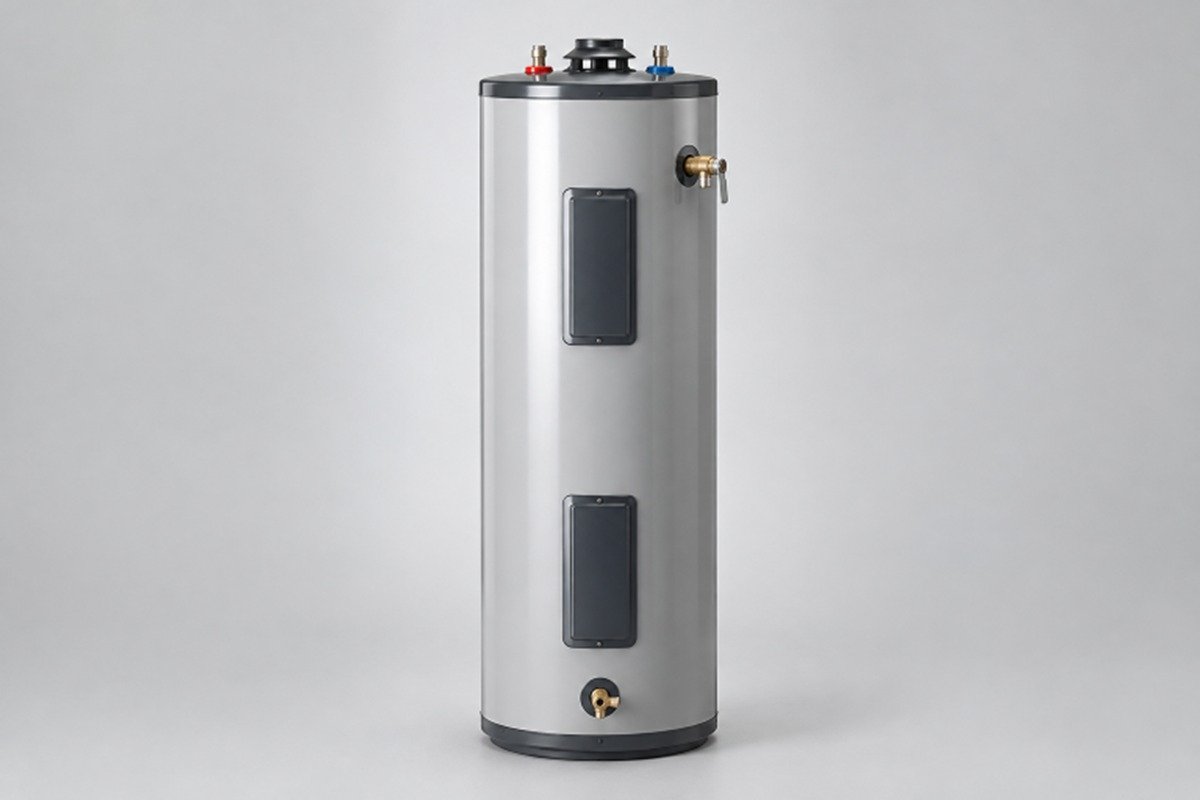
Storage water heaters heat and hold a set volume of water in a tank. They are familiar to many homeowners and can work well when several fixtures need hot water at once. Their limits are the amount of stored water and the energy used to maintain that stored supply between uses.
Tankless Water Heaters
Tankless units heat water as it passes through the appliance. They save floor space and can provide hot water for extended use when the unit is correctly sized. However, their performance depends on the incoming water temperature, required temperature rise, and the number of fixtures operating at the same time. Gas piping, electrical service, and venting may also need review before installation.
Heat Pump Water Heaters
Heat pump water heaters move heat from surrounding air into the tank rather than creating all heat directly with electric resistance elements. They need a suitable location with adequate air volume, drainage for condensate, and temperatures that support efficient operation. The installation guidance for heat pump water heaters notes that these systems can cool the space around them, which is important when considering a Kansas City basement, utility room, or garage.
Solar and Point-of-Use Systems
Solar water-heating equipment may be part of a broader home energy plan, usually with backup heating for times when solar energy is limited. Point-of-use heaters can serve a remote sink, addition, or small area where waiting for hot water from a central heater is inconvenient. Both options require planning around the home’s layout and expected use.
Match the System to Household Needs
- One- or two-person homes: A modest-capacity system may be enough when hot-water use is spread through the day.
- Larger families: Focus on available hot water during peak morning and evening periods, especially when multiple showers may run.
- Homes with guests or teenagers: Plan for occasional demand spikes from extra showers, laundry, and dishwashing.
- Remote workers: Include daytime handwashing, cooking, and laundry in the household’s normal demand pattern.
- Homes with limited space: Compare narrow tanks, wall-mounted tankless units, and access requirements before choosing a model.
Choose the Right Size
Tank and tankless systems are sized differently. For a storage model, compare the tank capacity and first-hour rating, which indicates how much hot water the heater can supply during a busy hour. For a tankless model, consider peak flow rate and the temperature increase needed to heat incoming water. Reviewing the existing heater’s label and noting when hot water runs out can provide a useful starting point.
Review Energy Use and Operating Costs
Fuel type, local utility rates, water temperature settings, insulation, and standby losses all influence operating cost. Compare the yellow EnergyGuide label when available, then consider installation work and expected maintenance. The Department of Energy’s overview of consumer water heaters distinguishes storage, instantaneous, and heat-pump equipment, helping homeowners understand the major categories before comparing models.
For example, a lower-cost standard tank may make sense for a straightforward replacement with limited hot-water demand. A higher-efficiency model may be worth considering when usage is heavier and the installation area supports it. The best comparison is based on expected ownership costs, not the purchase price alone.
Check Installation Space and Utility Needs
Measure the equipment area, doorways, clearance space, and path needed to remove the old unit and bring in a replacement. Also check for a nearby drain, electrical capacity, gas supply where applicable, and proper venting. In Kansas City homes, unconditioned garages and tight utility closets deserve special attention because cold conditions, restricted airflow, or limited service access can affect which equipment is practical.
Plan for Maintenance and Service
Every type of water heater needs attention over time. Storage tanks may need sediment management and anode-rod inspection. Tankless units may need scale control, particularly where mineral buildup is a concern. Heat pump models can require filter care and condensate checks. Keep the manual, warranty documents, and installation records together, and use qualified professionals for gas work, electrical work, venting, or significant leaks.
Know When Replacement Makes Sense
Warning signs include water pooling around the unit, rusty water, rumbling or popping sounds, reduced hot-water delivery, recurring repairs, and rising concerns about reliability. A leak from the tank body itself often points toward replacement because the tank cannot usually be sealed as a lasting repair. Planning ahead allows more time to compare suitable options instead of choosing under pressure after a failure.
Use a Simple Buying Checklist
- Count regular household occupants and note peak hot-water periods.
- List fixtures and appliances that may run at the same time.
- Confirm the current fuel source and available utility connections.
- Measure the installation space, access path, and service clearances.
- Compare tank capacity, first-hour rating, flow rate, and energy information.
- Include installation, maintenance, and operating costs in the decision.
- Review warranty terms and local permit requirements.
- Ask a qualified professional to confirm sizing and installation needs.
Final Thoughts
The right water heater for a Kansas City home is the one that matches real demand, available space, fuel options, and budget. By considering the household’s routine, winter conditions, installation requirements, and long-term care needs, homeowners can choose a system that provides dependable hot water for years to come.