Bike Light How Many Lumens? A Practical Guide to Choosing the Right Brightness
One of the first questions that comes to mind when shopping for a bicycle light is simple: bike light how many lumens do you actually need? It sounds like there should be one straightforward answer, but there is not. The right brightness depends on where you ride, how fast you travel, how much existing light surrounds you, and whether your main goal is to see the road or simply be seen by others. A commuter traveling through a brightly lit downtown area has very different requirements from someone riding along an unlit country road. Understanding lumens can help you avoid two common mistakes: choosing a light that is too weak for your route or spending more on excessive brightness that you rarely need.
What Lumens Actually Tell You
A lumen measures the total amount of visible light produced by a light source. In simple terms, a higher lumen rating generally means more light output. However, the number alone does not tell you exactly what your riding experience will be like. Two lights with similar lumen ratings can illuminate the road differently because their beam patterns, optics, and designs may not be the same.
Think of lumens as one piece of information rather than a complete measurement of performance. A well-directed beam can make a moderate amount of light more useful, while a poorly controlled beam may spread illumination where you do not need it. This is particularly noticeable when you ride on dark roads or uneven paths.
Match Brightness to Where You Ride
Your usual route should be the starting point when deciding how much brightness you need. If you mostly cycle through streets with plenty of streetlights, your primary concern may be visibility rather than illuminating every part of the road. A moderate-output light can help other road users recognize your position without producing unnecessary glare.
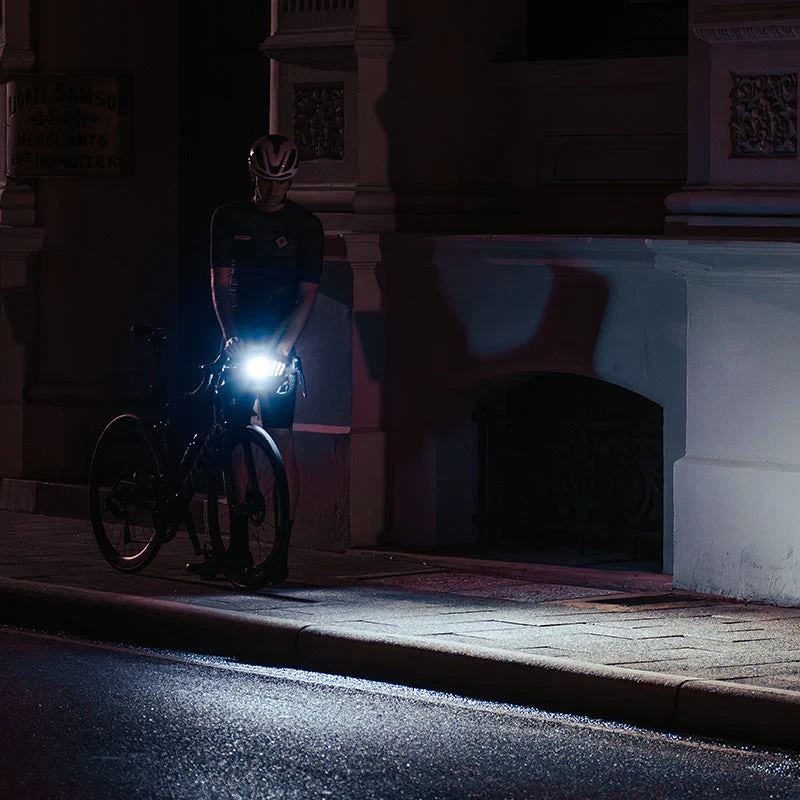
For darker suburban roads, you may want more output because there are fewer sources of surrounding light. You need enough illumination to identify potholes, road debris, turns, and other potential hazards. Riding on completely unlit roads calls for a different approach again. When there is almost no ambient light, a stronger front light with a useful beam pattern can make it easier to read the road ahead.
Why Your Speed Matters
Brightness requirements also change with speed. When you ride slowly, you have more time to respond to an obstacle that appears in front of you. At higher speeds, you cover more distance before you can react, so seeing further ahead becomes increasingly important.
This does not mean you should automatically choose the highest lumen setting. Instead, consider how far ahead you need to see comfortably and whether your light provides sufficient coverage at your normal riding speed. A good lighting setup should support your pace rather than encourage you to ride beyond what the conditions allow.
Rechargeable Does Not Mean You Can Ignore Battery Life
Once you have worked out the brightness you need, battery performance becomes the next consideration. A rechargeable bike light can be convenient because you can replenish its battery rather than regularly replacing disposable cells. But rechargeable does not automatically mean long-lasting.
Battery life depends on factors such as output level, battery capacity, temperature, and the mode you select. A light may last considerably longer on a lower setting than it does at maximum brightness. For that reason, look at the manufacturer’s stated runtime for the modes you are most likely to use. If your regular commute takes 30 minutes, your needs will be different from those of someone who spends several hours cycling.
The Problem With Chasing the Highest Number
It is tempting to assume that more lumens always mean a better light. I have found that this way of thinking can make choosing cycling equipment unnecessarily complicated. Extremely bright lighting can be useful in genuinely dark environments, but excessive brightness can become uncomfortable for other people if the beam is aimed poorly. On shared paths or roads, you need to consider pedestrians, cyclists, and drivers approaching from the opposite direction.
A light with adjustable output gives you more flexibility. You can use a stronger setting when the road becomes completely dark and reduce the output when entering a well-lit area. That versatility can be more valuable than having one exceptionally high maximum setting.
Look Beyond the Specification Sheet
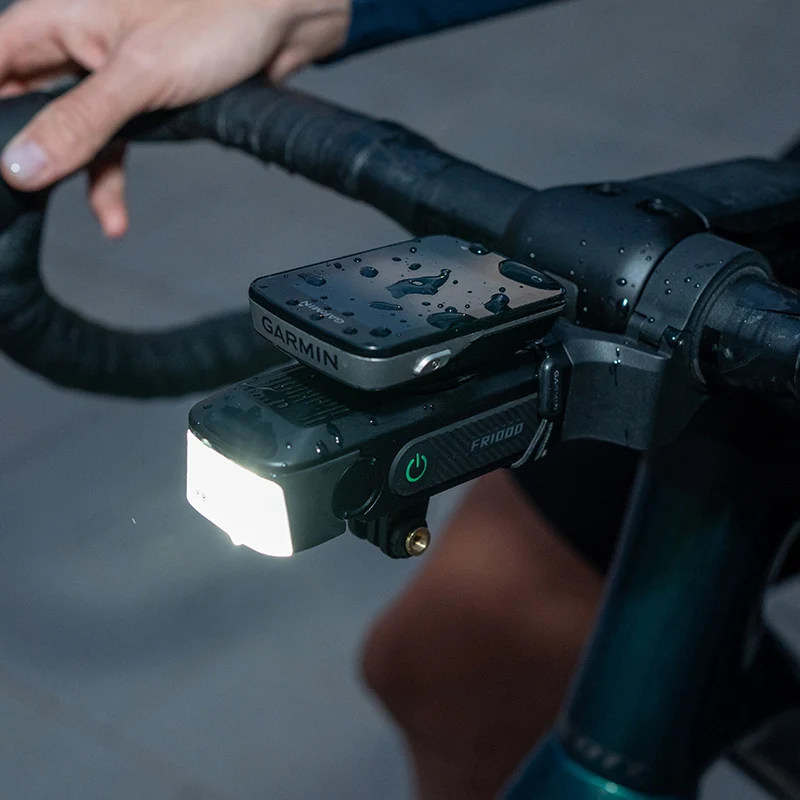
When comparing bike lights, I would not make a decision based solely on lumen ratings. Pay attention to beam shape, mounting stability, controls, charging method, weather resistance, and battery indicators. These details affect how convenient the light will be in everyday use.
For example, a secure mount matters when riding over rough surfaces. Easy-to-use controls matter when you need to change modes without stopping. A battery indicator can prevent the unpleasant surprise of discovering that your remaining charge is much lower than expected. Companies such as RAVEMEN also illustrate how modern bicycle lighting design can focus on controlled beams and practical riding needs instead of treating maximum brightness as the only goal.
A Simple Way to Choose
If you are still unsure what brightness to choose, start with your normal riding environment. Ask yourself:
- Are my routes already well lit?
- Do I mainly need to be visible, or do I need to see the road clearly?
- How fast do I normally ride?
- How long are my typical trips?
- Will I regularly encounter completely dark roads?
Your answers will give you a much better starting point than simply searching for the biggest lumen number.
Conclusion
So, how many lumens should you choose? There is no universal number that works for every cyclist. The right output depends on your environment, speed, route length, and visibility requirements. When you combine an appropriate brightness level with a reliable rechargeable bike light, useful beam control, dependable battery performance, and a secure mount, you get a setup that is much more practical than one chosen by lumen count alone. Instead of chasing the highest specification, choose lighting that matches the way you actually ride. That approach can give you better visibility, greater comfort, and a more useful cycling experience.
FAQs
1. Is a higher lumen rating always better for a bicycle light?
No. A higher output can be useful in very dark environments, but beam design and proper aiming are equally important. Excessive brightness can also create glare for other road users.
2. How long does a rechargeable bike light usually last between charges?
Runtime varies by model and brightness setting. Maximum-output modes generally consume more power, so check the manufacturer’s runtime information for the specific setting you expect to use.
3. Does riding speed affect the brightness I need?
Yes. Faster riding generally requires you to see farther ahead because you have less time to react to obstacles. Your typical speed should therefore be considered when choosing a light.
4. Can I use the same brightness setting everywhere?
You can, but it may not be ideal. Using a lower setting in well-lit areas and increasing the output when conditions become darker can conserve battery power and reduce unnecessary glare.
5. What is more important: lumens or beam pattern?
Both matter, but lumens alone do not describe how effectively the light reaches the road. A well-designed beam can make the available light more useful by directing it where you actually need it.