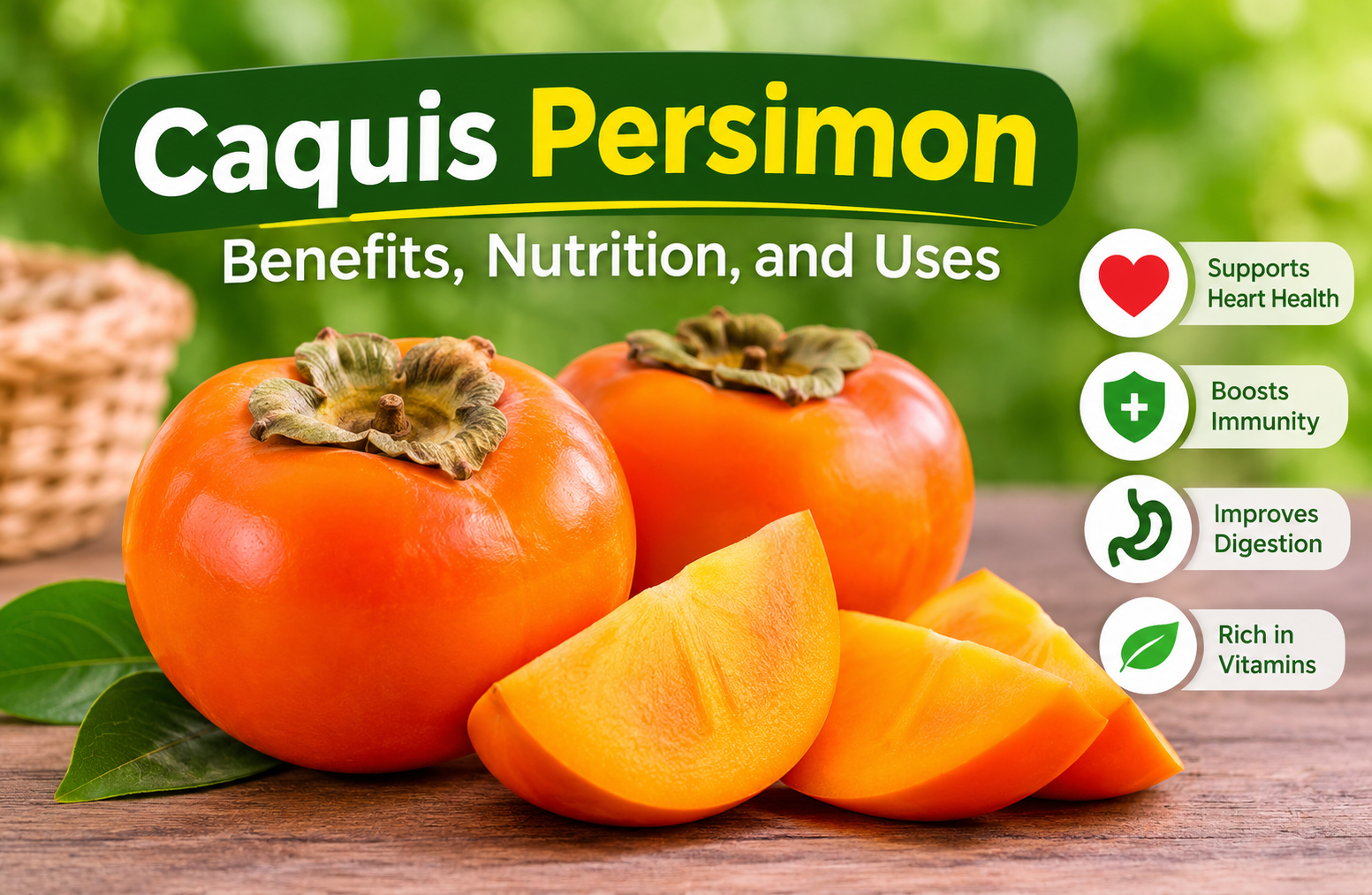
Caquis Persimon: Everything You Need to Know About This Sweet Spanish Fruit
Caquis Persimon is a popular way of enjoying persimmons, a naturally sweet fruit known for its bright orange colour, crisp texture, and impressive nutritional profile. Originally associated with Spain’s famous Ribera del Xúquer growing region, this fruit has become increasingly recognised in international markets. Its distinctive combination of sweetness, juiciness, and apple-like firmness makes it different from the traditional soft persimmons that many people know.
Whether you have recently discovered this fruit in a supermarket, are interested in its health benefits, or want to understand how it differs from ordinary persimmons, learning about its characteristics can help you make better food choices. From its agricultural background and nutritional value to storage methods and everyday recipes, there is plenty to explore.
One important detail is that Persimon® is not simply another botanical variety of fruit. It is a registered commercial trademark associated with qualifying persimmons from the Protected Designation of Origin (PDO) Kaki Ribera del Xúquer in Spain. These fruits are prepared for consumption while their flesh is still firm, crisp, and non-astringent.
This guide explains what makes this fruit distinctive, how it is produced, what nutrients it provides, how to select a good one, and how to include it in a balanced diet.
What Is Caquis Persimon?
Caquis Persimon refers to persimmons marketed under the Persimon® name, particularly those associated with the Kaki Ribera del Xúquer Protected Designation of Origin in Valencia, Spain.
The fruit belongs to the botanical species Diospyros kaki, commonly known as the Asian persimmon. It is recognised by its orange appearance, naturally sweet flavour, smooth skin, and juicy flesh.
Unlike traditional astringent persimmons, which generally need to become extremely soft before they are pleasant to eat, Persimon® fruit is treated to remove its astringency. This allows consumers to enjoy it while it remains firm.
The result is a fruit that can be sliced, chopped, or eaten much like an apple.
Understanding the Persimon® Name
One of the most common misunderstandings is that Persimon® represents a completely separate variety of persimmon.
That is not correct.
According to the official designation organisation, Persimon® is a registered trademark used to identify qualifying fruit from the PDO Kaki Ribera del Xúquer. The fruit is associated with the Rojo Brillante variety, which is especially important to the agricultural identity of the Ribera del Xúquer region.
The distinction matters because not every persimmon sold in a shop is entitled to carry this particular trademark.
Consumers looking for certified fruit should check the individual fruit label or packaging for the Persimon® name and the Kaki Ribera del Xúquer PDO identification.
Where Does This Fruit Come From?
The main production area associated with the trademark is located in the Ribera del Xúquer region of Valencia, eastern Spain.
The Xúquer River, also known as the Júcar River, contributes to the agricultural environment of this area. Its water resources and the fertile land surrounding the river basin support traditional fruit cultivation.
Persimmon production has become an important part of the region’s agricultural identity. Local growers, cooperatives, and marketing organisations work together to maintain product standards and promote the fruit in domestic and international markets.
The Protected Designation of Origin was established in 1998 and received European recognition in 2001. This system connects the product’s identity with its geographical production area and defined quality requirements.
What Makes Caquis Persimon Different From Ordinary Persimmons?
The most noticeable difference is the texture at the time of consumption.
Traditional astringent persimmons are often eaten when they become extremely ripe and soft. Their flesh can develop a jelly-like consistency, making them suitable for spooning out or using in soft desserts.
The Persimon® eating experience is different. The fruit is prepared so that it can be consumed while its flesh remains firm and crisp.
Here are the main differences:
| Feature | Persimon® Style | Traditional Soft Persimmon |
| Texture | Firm and crisp | Soft and gelatinous |
| Flesh colour | Orange | Deep orange to reddish |
| Eating stage | Ready while firm | Usually very ripe |
| Preparation | Can be sliced like an apple | Often eaten with a spoon |
| Taste | Sweet and mild | Sweet, often richer when fully ripe |
| Astringency | Removed through post-harvest treatment | Naturally disappears with ripening in astringent types |
The Role of Astringency
Astringency is the dry, unpleasant sensation that some fruits create inside the mouth.
In persimmons, this sensation is mainly associated with soluble tannins. When these compounds interact with proteins in saliva, they create the familiar mouth-drying feeling.
Some persimmon varieties contain substantial amounts of soluble tannins before they become fully ripe. Eating them too early can therefore be unpleasant.
For commercial Persimon® fruit, post-harvest treatment reduces the soluble tannins responsible for this sensation. The treatment allows the fruit to retain its firm texture while becoming suitable for eating.
This is an important reason why the product offers a different experience from traditional soft persimmons.
Why Is the Fruit So Firm?
Firmness is part of the product’s identity.
The Rojo Brillante variety naturally has characteristics that make it suitable for this style of consumption. However, its firmness alone does not explain the complete eating experience.
Harvest maturity, handling, post-harvest treatment, temperature management, and storage conditions all influence the final quality.
A good-quality fruit should feel firm without being rock-hard, have an attractive orange appearance, and show no obvious signs of bruising or deterioration.
Nutritional Value of Caquis Persimon
Persimmons are naturally nutrient-containing fruits that provide carbohydrates, dietary fibre, vitamins, minerals, and plant compounds.
Their nutritional composition makes them a useful addition to a varied diet, particularly for people who enjoy fresh fruit as a snack or as part of a meal.
The exact nutritional values depend on fruit size, growing conditions, maturity, and the particular persimmon product.
Important Nutrients
- Dietary Fibre
Persimmons contain dietary fibre, which contributes to normal digestive function.
Fibre helps add bulk to stool and supports regular bowel movements. It can also contribute to feelings of fullness after eating.
Including fibre-rich fruits alongside vegetables, whole grains, legumes, and other plant foods is a practical way to improve overall dietary quality.
- Vitamin C
Vitamin C is an essential nutrient involved in several important processes.
Its functions include:
- Supporting normal immune system function.
- Contributing to collagen formation.
- Supporting normal wound healing.
- Helping protect cells from oxidative damage.
- Improving the absorption of non-haem iron from plant foods.
Persimmons provide vitamin C, although the amount varies with the fruit and its growing and storage conditions.
- Vitamin A Precursors
The orange colour of persimmon flesh is associated with carotenoid pigments.
Some carotenoids, including beta-carotene, can be converted into vitamin A in the body.
Vitamin A supports normal vision, immune function, and the maintenance of healthy skin and other tissues.
- Potassium
Persimmons also provide potassium, an essential mineral involved in normal muscle function, nerve signalling, and fluid balance.
Potassium is particularly relevant to normal cardiovascular function because it contributes to the regulation of blood pressure as part of an overall healthy diet.
- Natural Carbohydrates
The fruit contains naturally occurring sugars that provide energy.
Its sweetness makes it useful as a fresh alternative to many highly processed desserts. However, natural sugars still contribute to total carbohydrate intake and should be considered by people who monitor their blood glucose or carbohydrate consumption.
Is It a Low-Fat Fruit?
Yes. Fresh persimmons are naturally very low in fat.
Most of their energy comes from carbohydrates, while their fibre and water content contribute to their overall nutritional profile.
This makes them a suitable fruit choice for people looking for a naturally sweet food that does not contain significant amounts of fat.
Health Benefits of Caquis Persimon
Eating a variety of fruits and vegetables is an important part of a balanced dietary pattern. Persimmons can contribute useful nutrients to that pattern.
However, it is important to understand the difference between nutritional benefits and medical treatment. No single fruit can prevent every disease, replace medication, or guarantee a particular health outcome.
1. Supports Digestive Health
Dietary fibre is one of the most useful features of persimmons.
It supports normal bowel function and helps maintain digestive regularity. People who do not consume enough fibre may experience constipation or irregular bowel movements.
Adding fresh fruit to meals can help increase daily fibre intake.
For example, sliced persimmon can be combined with oatmeal, plain yoghurt, or whole-grain breakfast foods.
Increasing fibre intake gradually and drinking enough water can also help the digestive system adjust comfortably.
2. Contributes to Immune System Function
Vitamin C plays an important role in the normal functioning of the immune system.
It supports several immune processes and contributes to the body’s antioxidant defence system.
Persimmons can provide some vitamin C as part of a varied diet that includes citrus fruits, berries, vegetables, and other nutrient-rich foods.
The important point is consistency. Eating a variety of foods is generally more useful than relying on one particular fruit for immune support.
3. Provides Antioxidant Compounds
Persimmons contain several naturally occurring plant compounds, including carotenoids and polyphenols.
These compounds are studied for their antioxidant properties.
Antioxidants help protect cells from oxidative damage associated with normal metabolic processes and environmental factors.
A diet containing different coloured fruits and vegetables provides a wider range of beneficial plant compounds.
The orange colour of persimmon makes it an interesting addition to this variety.
4. Supports Normal Eye Health
Certain carotenoids found in orange-coloured fruits are involved in vitamin A production.
Vitamin A is necessary for normal vision, particularly in low-light conditions.
Because persimmons contain carotenoid compounds, they can contribute to a diet that supports normal eye function.
Nevertheless, eating persimmons alone will not correct vision problems or replace professional eye care.
5. Contributes to Heart-Healthy Eating Patterns
The combination of fibre, potassium, and naturally occurring plant compounds makes persimmons a useful fruit within a heart-conscious eating pattern.
Dietary fibre can support healthy cholesterol management, while potassium contributes to normal blood pressure regulation.
These benefits depend on the overall diet and lifestyle rather than one food.
Regular physical activity, sufficient sleep, balanced meals, and appropriate medical care remain important parts of cardiovascular health.
6. Offers a Naturally Sweet Snack
Many people want sweet foods but would prefer alternatives to highly processed snacks.
A ripe, ready-to-eat persimmon provides natural sweetness without requiring added sugar.
It can be eaten independently or combined with foods such as:
- Plain Greek yoghurt.
- Unsalted nuts.
- Oatmeal.
- Cottage cheese.
- Whole-grain toast.
- Fresh fruit salads.
Adding protein or healthy fats to a fruit-based snack can make it more satisfying.
7. Helps Increase Fruit Variety
Eating different types of fruit provides a wider range of nutrients and plant compounds.
Apples, bananas, oranges, berries, grapes, and persimmons all have different nutritional characteristics.
Including seasonal fruit in a regular eating routine makes meals more interesting and can help people maintain healthier eating habits.
How to Choose Good-Quality Caquis Persimon
Selecting good fruit is easier when you understand what to look for.
Although the product is generally sold ready to eat, individual fruits can still differ in appearance, size, and condition.
A few simple checks can help you avoid disappointing purchases.
Check the Colour
Look for fruit with an attractive orange colour.
Depending on the growing and handling conditions, the shade may vary slightly.
Avoid fruits with extensive dark, damaged, or visibly deteriorating areas.
Small cosmetic variations do not necessarily mean the fruit is unsuitable, but large damaged areas deserve closer inspection.
Examine the Skin
The skin should generally be intact and reasonably smooth.
Avoid fruit with:
- Deep cuts.
- Extensive bruising.
- Visible mould.
- Leaking juice.
- Soft, damaged patches.
- Signs of decay.
A small surface mark is not always a problem, but damage that affects the flesh can reduce quality and shelf life.
Feel the Firmness
A characteristic feature is its firm texture.
The fruit should not feel excessively soft or mushy when purchased.
However, extreme hardness is not necessarily a sign of superior quality. A good fruit should have the expected firm texture without appearing damaged or unripe.
Look for the Certification Label
If you specifically want the protected Persimon® product, checking the label is particularly important.
Look for:
- The Persimon® trademark.
- The Kaki Ribera del Xúquer PDO identification.
- Product information on the packaging.
- A clear indication of origin.
This helps distinguish certified fruit from other persimmons that may look similar.
How to Eat Caquis Persimon
One of the biggest advantages of this fruit is its versatility.
Its firm texture makes it suitable for several preparation methods. It can be eaten fresh, sliced into salads, added to breakfast foods, or used in desserts.
Eat It Fresh
The simplest method is to wash the fruit and eat it fresh.
If the skin is clean and undamaged, it can generally be eaten along with the flesh.
Some people prefer peeling it, particularly when using it in recipes or when they dislike the texture of the skin.
Remove the leafy calyx and any unwanted stem material before serving.
Slice It Like an Apple
Because the flesh remains firm, the fruit can be cut into wedges or thin slices.
This preparation works well for snacks and lunchboxes.
You can also serve it with nuts or cheese for a combination of sweet and savoury flavours.
Add It to Fruit Salads
Persimmon works well with fruits that provide a contrasting taste and texture.
Try combining it with:
- Orange segments.
- Pomegranate seeds.
- Apple slices.
- Grapes.
- Kiwi.
- Fresh mint.
A small amount of lemon juice can help maintain freshness and add a pleasant contrast to the sweetness.
Use It in Breakfast Bowls
Thinly sliced fruit can make a simple breakfast more interesting.
Add it to a bowl containing plain yoghurt, oats, chia seeds, and a small portion of nuts.
This combination provides carbohydrates, protein, fibre, and healthy fats.
It also avoids the need for large amounts of added sweeteners.
Add It to Savoury Dishes
Persimmons are not limited to desserts.
Their sweetness can balance savoury ingredients such as leafy greens, cheese, and roasted vegetables.
For example, a salad containing spinach, sliced persimmon, walnuts, and a modest amount of feta cheese offers several contrasting flavours.
A light dressing made with olive oil and lemon juice can bring the ingredients together.
Practical Recipes Using Persimmons
The following ideas are simple ways to use the fruit without complicated preparation.
1. Fresh Persimmon and Yoghurt Bowl
Ingredients:
- One firm persimmon.
- One cup of plain yoghurt.
- Two tablespoons of rolled oats.
- One tablespoon of chopped almonds.
- A small amount of cinnamon.
Preparation:
- Wash and slice the fruit.
- Add the yoghurt to a bowl.
- Mix in the rolled oats.
- Arrange the fruit slices on top.
- Finish with chopped almonds and cinnamon.
This is a convenient breakfast or afternoon snack.
2. Persimmon and Green Salad
Ingredients:
- One persimmon.
- Two cups of fresh spinach.
- A small handful of walnuts.
- A little feta cheese.
- One tablespoon of olive oil.
- Fresh lemon juice.
Preparation:
- Wash and dry the spinach.
- Slice the persimmon into thin pieces.
- Add the fruit to the spinach.
- Sprinkle walnuts and feta over the salad.
- Finish with olive oil and lemon juice.
The sweetness of the fruit balances the savoury cheese and the fresh flavour of spinach.
3. Simple Persimmon Smoothie
Ingredients:
- One persimmon.
- Half a banana.
- Half a cup of plain yoghurt.
- Half a cup of milk or an unsweetened alternative.
- A few ice cubes.
Preparation:
- Wash and prepare the fruit.
- Add all ingredients to a blender.
- Blend until smooth.
- Adjust the consistency with additional milk if necessary.
- Serve immediately.
There is usually no need to add sugar because the fruit already provides natural sweetness.
4. Persimmon and Oatmeal
Ingredients:
- Half a cup of rolled oats.
- One cup of milk or water.
- Half to one persimmon.
- A small amount of cinnamon.
- A few chopped nuts.
Preparation:
- Cook the oats according to the package instructions.
- Slice the persimmon.
- Transfer the cooked oats to a bowl.
- Add the fruit slices.
- Finish with cinnamon and nuts.
This is a practical way to include fruit and fibre in a morning meal.
How to Store Persimmons Properly
Correct storage helps maintain the fruit’s texture, flavour, and freshness.
Persimmons can be sensitive to rough handling, particularly when they have soft spots or damaged skin.
Storage at Room Temperature
If you plan to eat the fruit soon, you can keep it in a cool place away from direct sunlight.
Avoid placing heavy objects on top of the fruit.
Good air circulation and gentle handling help reduce unnecessary damage.
Refrigeration
Refrigeration is useful when you want to keep the fruit fresh for longer.
Place the fruit in the refrigerator’s produce section and avoid crushing it with heavier items.
Keeping the fruit dry and checking it periodically can help prevent spoilage.
Can You Freeze Persimmons?
Yes, persimmons can be frozen, although their texture may change after thawing.
Freezing is generally more suitable when the fruit will be used in smoothies, sauces, or cooked preparations rather than eaten fresh.
For better results:
- Wash the fruit.
- Remove the stem and unwanted parts.
- Cut it into suitable pieces.
- Place the pieces in a freezer-safe container.
- Label the container with the freezing date.
Thawed fruit may become softer because freezing affects the structure of its cells.
When Is the Best Season to Buy Them?
The traditional season for Persimon® fruit from the Ribera del Xúquer PDO usually runs from October through late January.
The exact availability can vary according to weather conditions, harvest timing, and the agricultural season.
This seasonal window is particularly relevant for consumers who want the certified Spanish product.
However, persimmons are also cultivated in other countries. Different varieties and production regions may have different harvest schedules.
As a result, ordinary persimmons may be available in some markets outside the traditional Spanish Persimon® season.
Understanding the Production Process
The quality of commercial persimmons depends on more than the fruit’s appearance.
Agricultural practices, harvesting decisions, sorting, post-harvest treatment, and distribution all influence the product that eventually reaches consumers.
Cultivation
Persimmon trees belong to the genus Diospyros.
They are cultivated in suitable climates where growing conditions allow the trees to develop and produce fruit.
In the Ribera del Xúquer region, the Rojo Brillante variety has particular agricultural importance.
Growers manage the trees throughout the growing season to support fruit development and maintain commercial quality.
Harvesting
Harvest timing is important because the fruit must reach an appropriate stage of maturity.
Picking too early or too late can affect its handling characteristics and final quality.
Harvested fruit is handled carefully because persimmons can be damaged by pressure and impact.
Sorting and Selection
After harvesting, fruit is assessed for factors such as size, appearance, damage, and quality requirements.
Fruit intended for protected designation certification must also meet the applicable standards.
This process helps ensure that products carrying the designation meet the identity and quality expectations associated with it.
Post-Harvest Treatment
One of the defining features of the commercial Persimon® eating experience is the removal of astringency.
Controlled post-harvest treatment reduces the soluble tannins responsible for the dry sensation associated with unripe astringent persimmons.
This allows the fruit to remain firm while becoming pleasant to eat.
The treatment is a food-processing step, not evidence that the fruit has been artificially sweetened.
Packaging and Distribution
After selection and treatment, the fruit is prepared for distribution.
Packaging and careful transport help protect the skin and flesh from damage.
Storage temperature and handling conditions are important because physical damage can reduce the fruit’s commercial quality.
Challenges and Important Considerations
Although persimmons offer several nutritional and practical advantages, there are a few things consumers should understand before adding them to their regular diet.
1. Natural Sugar Content
Persimmons contain naturally occurring sugars.
For most healthy individuals, eating whole fruit in reasonable portions can fit comfortably into a balanced diet. However, people managing diabetes or monitoring their carbohydrate intake should consider portion sizes.
Pairing fruit with protein or healthy fats may also help create a more balanced snack.
2. Excessive Consumption
Eating large quantities of any fruit can contribute to digestive discomfort in some individuals.
Persimmons contain fibre, and suddenly increasing fibre intake may cause bloating or changes in bowel habits.
A sensible approach is to enjoy moderate portions and maintain variety in fruit consumption.
3. Confusion Between Different Varieties
Not all persimmons have the same texture or eating requirements.
Some varieties are naturally non-astringent, while others are unpleasant to eat until they become very soft.
Consumers unfamiliar with the fruit may purchase an ordinary astringent persimmon and assume it can be eaten while firm.
Understanding the label and variety can prevent this mistake.
4. Storage-Related Damage
Persimmons can bruise when exposed to pressure or rough handling.
Damaged fruit may deteriorate faster, develop unattractive patches, or lose some of its desirable texture.
Careful shopping, transport, and storage are therefore important.
5. Availability Outside the Main Season
Certified Spanish Persimon® fruit is seasonal.
People who become familiar with its taste may find it difficult to purchase the same product outside its usual October-to-January window.
Other persimmon varieties may be available throughout different periods, but they should not automatically be considered equivalent to the protected product.
Can Everyone Eat Caquis Persimon?
For most people, persimmons are an ordinary food that can be enjoyed as part of a balanced diet.
However, individual dietary requirements differ.
People Managing Diabetes
People with diabetes can often include whole fruits in their meal plans, but portion size and total carbohydrate intake matter.
Persimmons contain natural sugars, so it is useful to consider the amount eaten rather than assuming that naturally sweet foods have no effect on blood glucose.
A healthcare professional or registered dietitian can provide advice based on individual needs.
People With Sensitive Digestive Systems
The fibre content may be beneficial for digestive health, but some individuals experience discomfort when consuming large portions.
Starting with a modest serving can help establish personal tolerance.
People With Food Allergies
Although persimmon allergy is not commonly discussed, allergic reactions to foods are possible.
Anyone who experiences itching, swelling, breathing difficulties, or other concerning symptoms after eating a fruit should stop consuming it and seek appropriate medical attention. Severe breathing difficulties or swelling require emergency care.
Children and Older Adults
The fruit can be included in meals for children and older adults when prepared in an appropriate form.
For younger children, cut it into manageable pieces and consider their age and chewing ability.
Older adults who have difficulty chewing may prefer thin slices or softer preparations.
The Agricultural and Economic Importance of Spanish Persimmons
The importance of this fruit extends beyond its nutritional characteristics.
Persimmon cultivation supports agricultural communities, food distribution networks, cooperatives, and international trade.
The Ribera del Xúquer region has developed a strong identity around its persimmon production, particularly the Rojo Brillante variety.
Supporting Local Growers
The Protected Designation of Origin connects the product with an established agricultural area.
According to the designation organisation, its production network includes thousands of growers working through cooperatives and commercial operators.
This structure helps coordinate production, certification, marketing, and distribution.
For small agricultural communities, such systems can provide opportunities to maintain traditional farming knowledge while participating in modern food markets.
Protecting Product Identity
Geographical certification is important because consumers increasingly want to know where their food comes from.
A Protected Designation of Origin identifies products whose characteristics and production are connected with a particular geographical area.
It also establishes a framework for maintaining the product’s identity.
In the case of this Spanish persimmon, the designation helps distinguish qualifying fruit from other products that may have a similar appearance but do not meet the same requirements.
International Market Recognition
The crisp texture and convenient eating experience have helped Persimon® become recognisable beyond its original production region.
The fruit is marketed to consumers who enjoy fresh, convenient, naturally sweet foods.
Its suitability for slicing and serving also makes it attractive to retailers, restaurants, and food businesses.
However, international availability depends on seasonal production, logistics, market demand, and distribution arrangements.
Caquis Persimon Compared With Apples, Pears, and Other Fruits
People sometimes compare persimmons with apples and pears because they can have a similar firm eating texture.
Although they can be used in similar recipes, their flavour and nutritional characteristics are different.
| Characteristic | Persimmon | Apple | Pear |
| Typical flavour | Sweet and mild | Sweet or tart | Sweet and delicate |
| Texture | Firm and juicy | Crisp | Crisp or soft |
| Natural colour | Orange | Red, green, or yellow | Green, yellow, or red |
| Fibre | Present | Present | Present |
| Vitamin profile | Includes vitamin C and carotenoids | Includes vitamin C | Includes vitamin C |
| Common uses | Snacks, salads, desserts | Snacks, baking, salads | Snacks, desserts, salads |
There is no need to consider one fruit universally better than another.
Each offers a different combination of nutrients, taste, and culinary uses.
A practical approach is to include several kinds of fruit throughout the week rather than relying on only one option.
How to Include Persimmons in a Balanced Diet
The best way to benefit from this fruit is to make it part of an overall healthy eating pattern.
It does not need to be consumed every day, and there is no special requirement to eat it at a particular time.
Here are some practical ideas.
As a Mid-Morning Snack
A sliced persimmon with a handful of unsalted almonds can provide a combination of carbohydrates, fibre, and fats.
This is a simple alternative to packaged sweet snacks.
After Lunch
A small serving of fresh fruit can provide a naturally sweet finish to a meal.
Persimmon slices are especially convenient because they can be prepared without complicated cooking.
With Breakfast
Add chopped fruit to oatmeal or plain yoghurt.
This is a straightforward way to increase the variety of plant foods in your morning meal.
As an Ingredient in Family Meals
Use thin slices in salads or serve them alongside suitable savoury dishes.
The mild sweetness can complement ingredients such as nuts, leafy greens, and cheese.
As a Dessert Ingredient
Persimmons can be used in fruit bowls, smoothies, and simple homemade desserts.
Their natural sweetness may reduce the amount of additional sugar needed in some recipes.
How to Identify Authentic Persimon® Fruit
Because the commercial name is registered, understanding the identification process is useful.
A fruit that looks like a Persimon® does not necessarily qualify to use the trademark.
The official designation organisation explains that certified fruit should carry the appropriate Persimon® identification and Kaki Ribera del Xúquer PDO marking.
Consumers should check the following details:
- Trademark identification: Look for the Persimon® name.
- Protected designation: Check for the Kaki Ribera del Xúquer PDO identification.
- Origin information: Review the packaging for information about the product’s geographical origin.
- Fruit condition: Choose fruit without extensive bruising, decay, or mould.
- Commercial labelling: Ask the retailer for clarification if the certification information is missing.
The official Kaki Ribera del Xúquer information and consumer guidance explains the trademark, the distinction between firm and traditional soft fruit, and the usual seasonal availability.
This is particularly useful for first-time buyers who are unfamiliar with the difference between the two commercial eating styles.
Common Mistakes to Avoid When Buying and Eating Persimmons
Understanding a few common mistakes can improve the experience of purchasing and preparing this fruit.
Mistake 1: Assuming Every Persimmon Is Ready to Eat While Firm
Some varieties are naturally astringent.
They may need to ripen until very soft before their taste and texture become pleasant.
Always check the product information rather than assuming all persimmons can be eaten in the same way.
Mistake 2: Ignoring the Product Label
The name Persimon® has a specific commercial meaning.
If certification is important to you, do not rely only on the fruit’s orange colour or general appearance.
Check the appropriate identification.
Mistake 3: Storing Fruit Under Heavy Objects
Persimmons can become bruised when subjected to unnecessary pressure.
Keep them separate from heavy items in your shopping bag and refrigerator.
Mistake 4: Expecting It to Taste Like an Apple
The texture may resemble an apple, but the flavour is different.
Persimmons generally have a sweeter, milder taste with a distinctive fruity character.
Mistake 5: Leaving It to Become Extremely Soft
Persimon® fruit is specifically marketed for its firm, crisp eating experience.
Allowing it to become excessively soft can reduce the quality of the texture for which it was selected.
If you prefer a completely soft persimmon, a traditional soft-eating variety may be a better purchase.
Mistake 6: Believing It Is a Medical Treatment
Persimmons contain beneficial nutrients, but they are not medicines.
They should be viewed as one component of a balanced diet rather than a treatment for digestive problems, high blood pressure, diabetes, or other medical conditions.
Frequently Asked Questions About Caquis Persimon
1. What is Caquis Persimon?
Caquis Persimon refers to persimmons marketed under the Persimon® trademark. The protected Spanish product is associated with the Rojo Brillante variety and the Kaki Ribera del Xúquer Protected Designation of Origin. It is known for its sweet flavour, orange flesh, and firm, crisp texture.
2. Is Persimon the Same as a Normal Persimmon?
Persimon® is a trademark associated with qualifying persimmons, not a separate botanical species. It identifies a particular commercial product that can be eaten while firm because its astringency has been removed through post-harvest treatment.
3. Can You Eat Persimmons With Their Skin?
Yes. The skin of a persimmon can generally be eaten when the fruit is properly washed and in good condition. Some people prefer removing it because of personal taste or texture preferences.
4. What Are the Main Health Benefits of Persimmons?
Persimmons provide dietary fibre, vitamin C, potassium, and carotenoid compounds. These nutrients contribute to normal digestive function, immune system activity, and general health when consumed as part of a balanced diet.
5. When Is Persimon® Season?
The traditional season for the protected Spanish product usually runs from October to late January. Exact availability can change depending on weather conditions, harvest timing, and the agricultural season.
6. Should Persimon® Be Soft Before Eating?
No. One of its defining characteristics is that it is ready to eat while firm and crisp. The post-harvest treatment reduces the astringency that would otherwise make some persimmons unpleasant to eat at this stage.
Conclusion
Caquis Persimon represents a distinctive way of enjoying one of the world’s well-known seasonal fruits. Its bright orange appearance, naturally sweet flavour, and firm texture make it different from traditional soft persimmons.
Its connection with Spain’s Ribera del Xúquer region also gives it an important agricultural identity. The Persimon® trademark and Protected Designation of Origin help consumers recognise qualifying fruit and understand what distinguishes it from other products in the market.
Nutritionally, persimmons provide dietary fibre, vitamin C, potassium, and naturally occurring plant compounds. These nutrients can contribute to digestive health, normal immune function, and general dietary quality.
The fruit is also versatile. It can be eaten fresh, added to breakfast bowls, included in salads, blended into smoothies, or used in homemade desserts. Proper selection and storage help preserve its desirable texture and flavour.
For anyone interested in trying a different kind of fresh fruit, this Spanish persimmon offers an appealing combination of convenience, taste, nutritional value, and agricultural heritage. Understanding its trademark, seasonal availability, and eating characteristics makes it easier to choose and enjoy the product with confidence.