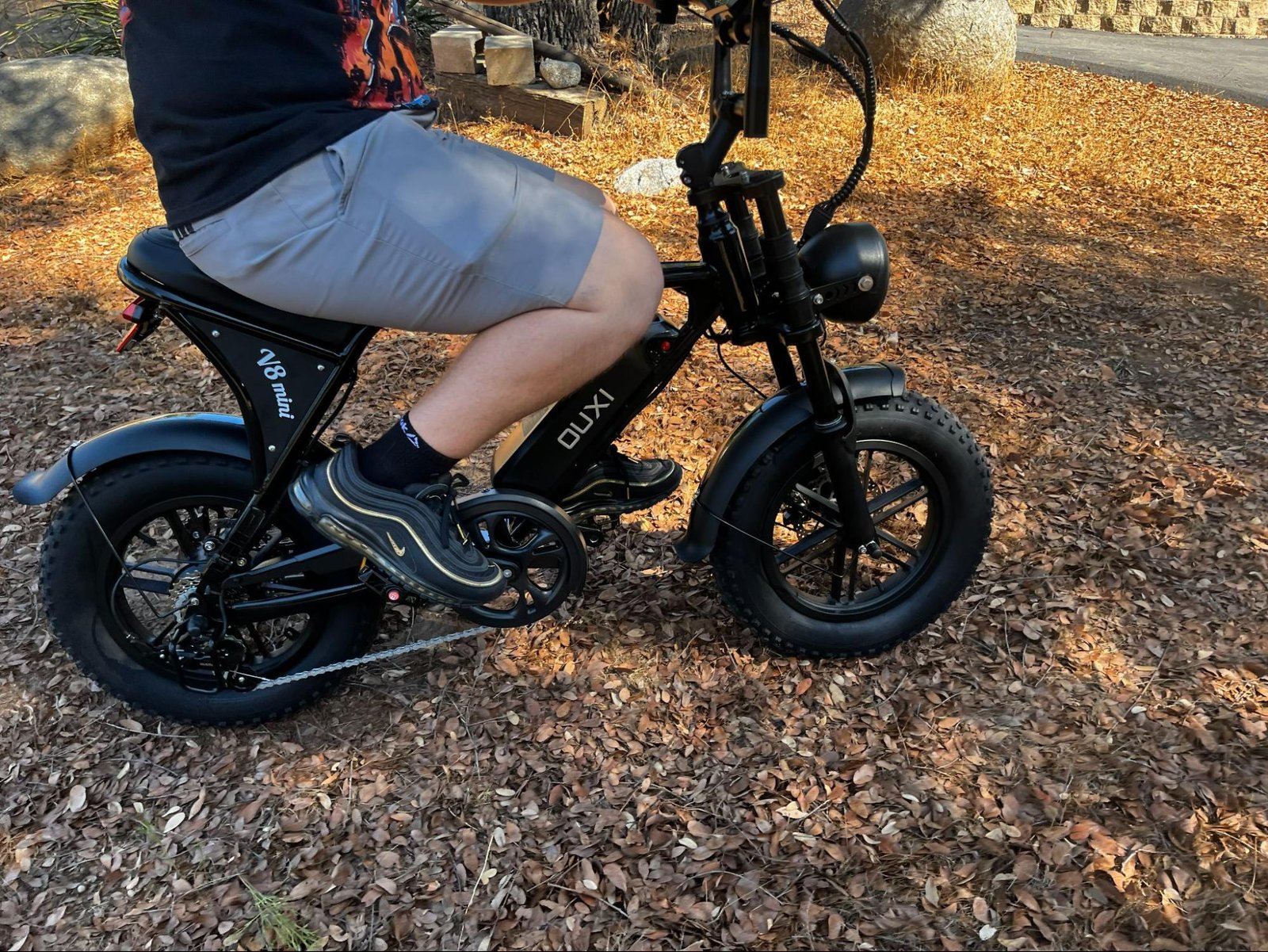
Electric Dirt Bikes for Teenagers: Understanding the Ride Before You Choose
Shopping for an electric bike for a teenager can quickly become confusing. Product pages often highlight motor output, battery capacity, top speed, and riding modes, but those numbers do not always explain whether a particular bike is suitable for the person who will actually ride it.
For parents, the more useful approach is to look at the complete riding experience. An electric dirt bike for teenager use needs to be manageable, appropriate for the intended terrain, and compatible with the rider’s experience. It is also worth understanding how electric bicycles are classified, since not every electric two-wheeler falls into the same category.
Separate the Bike From the Rider
A specification sheet tells you about the machine. It does not tell you whether a teenager can comfortably control it. Start by considering the rider’s height, weight, reach, and previous experience. A bike that is physically too large or heavy may be difficult to balance, especially when stopped.
The controls should also be easy to reach. If the rider has to stretch for the brakes or feels uncomfortable holding the handlebars, the problem is not something that can simply be solved through practice. Age recommendations from the manufacturer can provide a useful starting point, but they should be considered alongside the rider’s physical characteristics and skill level.
Then Look at the Ground
The intended riding surface should influence the type of bike you consider. A dirt bike is designed with off-road conditions in mind. Depending on the model, features may include treaded tires, suspension, a frame suited to uneven terrain, and components intended for recreational trail riding.
But “off-road” covers a wide range of surfaces. A flat dirt field is very different from a rocky trail with steep sections. A beginner should have a place to practice that does not demand advanced skills immediately. As the rider improves, more varied terrain can be introduced gradually, provided the location permits that type of riding.
A Class 3 E-Bike Is a Different Category
During the research process, you may encounter the question, what is a class 3 ebike? In the United States, a Class 3 e-bike is generally a pedal-assisted electric bicycle where motor assistance can reach speeds of up to 28 mph. The rider pedals while receiving assistance from the motor.
This classification is useful because it helps distinguish Class 3 models from other categories of e-bikes. However, it does not describe every aspect of a bicycle. For example, two Class 3 e-bikes can have different frame designs, tires, brakes, battery capacities, and riding positions. The classification also does not automatically make a bicycle suitable for rough off-road terrain.
Why Classification Matters for Families
Parents may assume that any electric bike with a motor can be used wherever a regular bicycle is allowed. That assumption can cause problems. Local regulations can establish different rules for e-bike classes and other electric vehicles. Some trails may permit certain e-bikes but restrict higher-speed models or motorized off-road vehicles.
An electric dirt bike may also fall under rules that are different from those covering pedal-assisted bicycles. Before buying or riding, check the requirements for the actual location. Pay attention to age limits, helmet requirements, permitted areas, road access, and trail restrictions.
Think About Power in Terms of Control
Motor power can be an important specification, but it should be considered together with the rider’s experience. For a teenager who is still learning, predictable acceleration can be easier to manage than a bike that responds very aggressively. The rider should have enough time to understand how the controls work before riding quickly.
Practice can begin with gentle acceleration and controlled stopping. Once the rider understands the response of the bike, they can gradually become comfortable with higher speeds where appropriate. The maximum number in a product description should never be the target for every ride.
Brakes Deserve More Attention Than They Get
When people compare electric bikes, battery and motor specifications often dominate the conversation. Braking deserves equal attention. A teenager should know how the brakes feel before riding over unfamiliar ground. Practice should include smooth stops and slowing before turns.
Off-road conditions can make braking more complicated because loose dirt, gravel, and wet surfaces may reduce traction. Teaching a young rider to brake early and smoothly can help them maintain better control than waiting until an obstacle is very close.
Don’t Underestimate Battery Planning
Battery range is affected by real-world conditions. Riding uphill, traveling over loose ground, carrying additional weight, accelerating frequently, or riding in cold weather can all influence energy consumption. For this reason, it is better to plan a ride around realistic conditions rather than relying on the maximum range stated in a product description.
A teenager should know the route, understand where the ride will end, and keep enough battery available to return safely. Battery charging and storage should also follow the manufacturer’s instructions.
Make Protective Gear Non-Negotiable
A properly fitted helmet should be part of every ride. Depending on the terrain and type of riding, gloves, protective footwear, eye protection, and additional protective equipment may also be appropriate. Parents should check that equipment fits the teenager correctly. A helmet or protective item that is too loose, too tight, or damaged should not be treated as adequate simply because it is available. Protective gear does not replace careful riding, but it can provide an additional layer of protection when accidents happen.
Maintenance Is Part of Ownership
A teenager can learn useful responsibility through basic bike care. Before a ride, check the tires, brakes, controls, battery level, and visible components. Understanding what is a class 3 ebike can also help clarify which features and maintenance requirements may apply to a particular model. After riding on dusty or muddy ground, cleaning the bike can make it easier to spot damage. More involved maintenance should be carried out according to the manufacturer’s instructions.
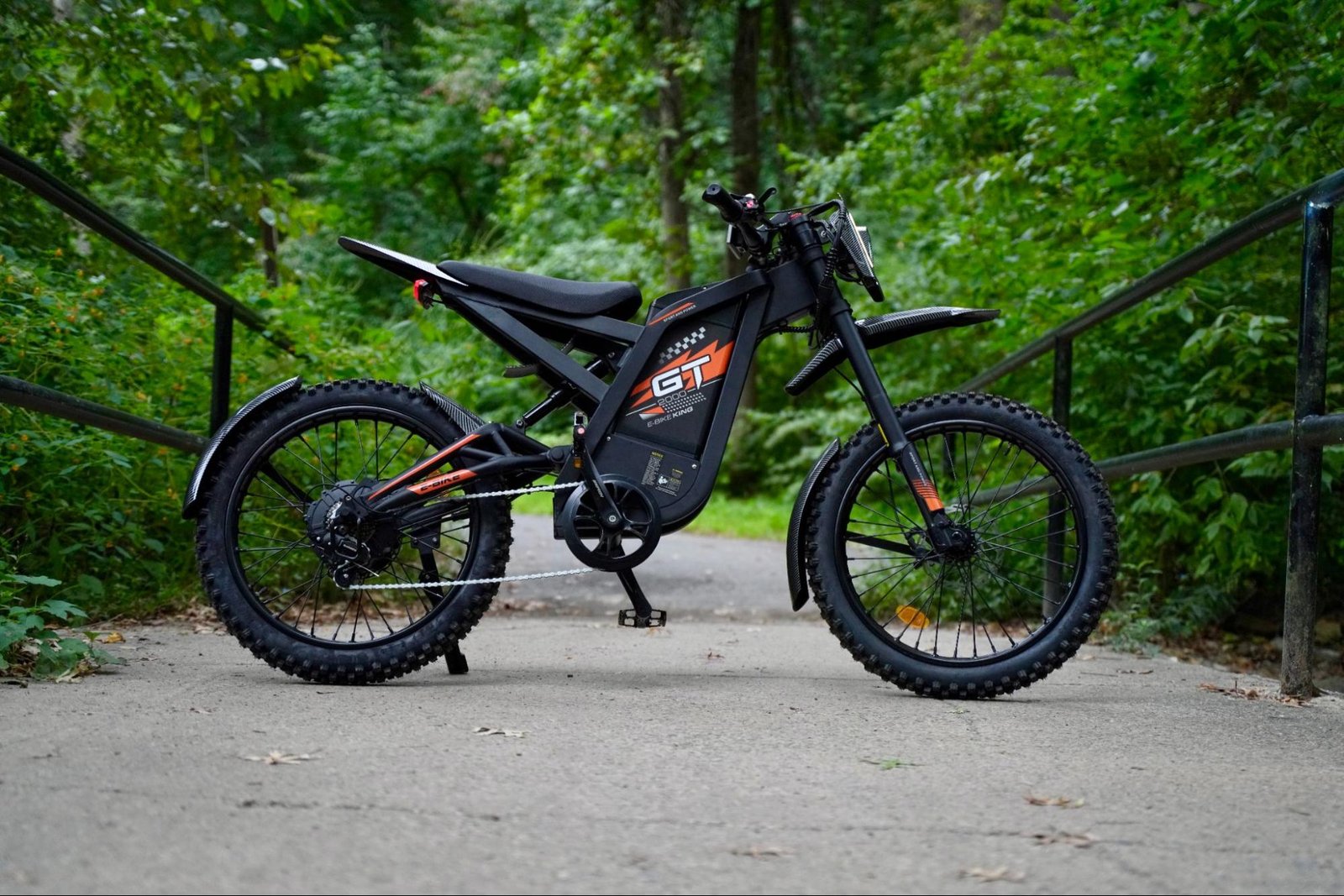
When comparing brands such as OUXI, I would look at maintenance guidance and intended-use information alongside the headline specifications. That gives a clearer picture of whether a particular model fits the rider’s needs.
Give the Rider Time to Improve
Skill develops through repetition rather than one long riding session. A teenager can start by practicing simple movements and then gradually work toward more challenging terrain. This allows the rider to learn how the bike behaves without being overwhelmed. Parents can also encourage teenagers to speak up when something feels uncomfortable. Stopping, asking for help, or turning around is part of responsible riding, not a failure.
Conclusion
Choosing an electric bike for a teenager requires more thought than comparing speed and motor numbers. An electric dirt bike for teenager use should match the rider’s size, experience, and intended terrain, while safety equipment and local regulations should also be considered. Understanding e-bike classifications adds another useful piece of information. A Class 3 e-bike generally refers to a pedal-assisted bicycle capable of motor assistance up to 28 mph in the United States, but that classification does not automatically determine where the bike can be ridden. A careful decision starts with the person riding the bike and ends with a setup that makes sense for the environment.
FAQs
Is a Class 3 e-bike considered an electric dirt bike?
Not automatically. Class 3 is an e-bike classification based on pedal assistance and assisted speed. An electric dirt bike is designed specifically around off-road riding and may fall under different rules.
What is the most important factor when choosing a bike for a teenager?
There is no single factor for every rider. Physical fit, experience, intended terrain, controllability, manufacturer recommendations, and local requirements should all be considered together.
Can a teenager learn to ride an electric dirt bike without previous experience?
A beginner can develop the necessary skills gradually, but training should start in a suitable controlled environment. Supervision should match the rider’s age, experience, and surroundings.
Does a larger battery always provide better range?
Not necessarily. Battery capacity is important, but terrain, speed, rider weight, temperature, tire pressure, and riding style also affect how long a charge lasts.
Are electric dirt bikes allowed on public trails?
Rules vary by location and vehicle type. Riders should check the specific trail’s requirements rather than assuming that an electric dirt bike is treated the same as a conventional bicycle.