Why Does a Kitchen Sink Garbage Disposal Smell, and How Do You Clean It Properly?
A kitchen sink can look perfectly clean and still give off an unpleasant smell whenever you walk past it. If the sink has a garbage disposal, the odor may come from food particles trapped beneath the rubber splash guard or inside the grinding chamber. These areas remain damp long after the dishes have been washed, creating conditions where food residue can break down.
Cleaning the visible parts of the sink rarely addresses this problem. During a detailed kitchen cleaning, areas beneath removable sink accessories deserve extra attention. If you hire a company such as CJS Cleaning Solutions, it is worth discussing whether these often-overlooked areas are included in the scheduled work.
Getting rid of disposal odors requires more than grinding lemon peels or pouring scented products down the drain. Understanding where food residue collects, which cleaning methods are safe, and how to recognize plumbing-related problems can help you maintain a fresher kitchen without damaging the appliance.
Why Does a Garbage Disposal Develop an Unpleasant Smell?
A garbage disposal breaks food scraps into small particles so they can pass through the kitchen drain. However, running the appliance does not guarantee that every particle leaves the grinding chamber.
Small pieces of vegetables, cooked meat, and other food can stick to the interior walls. Greasy residue may also collect around the opening, where it gradually traps additional debris.
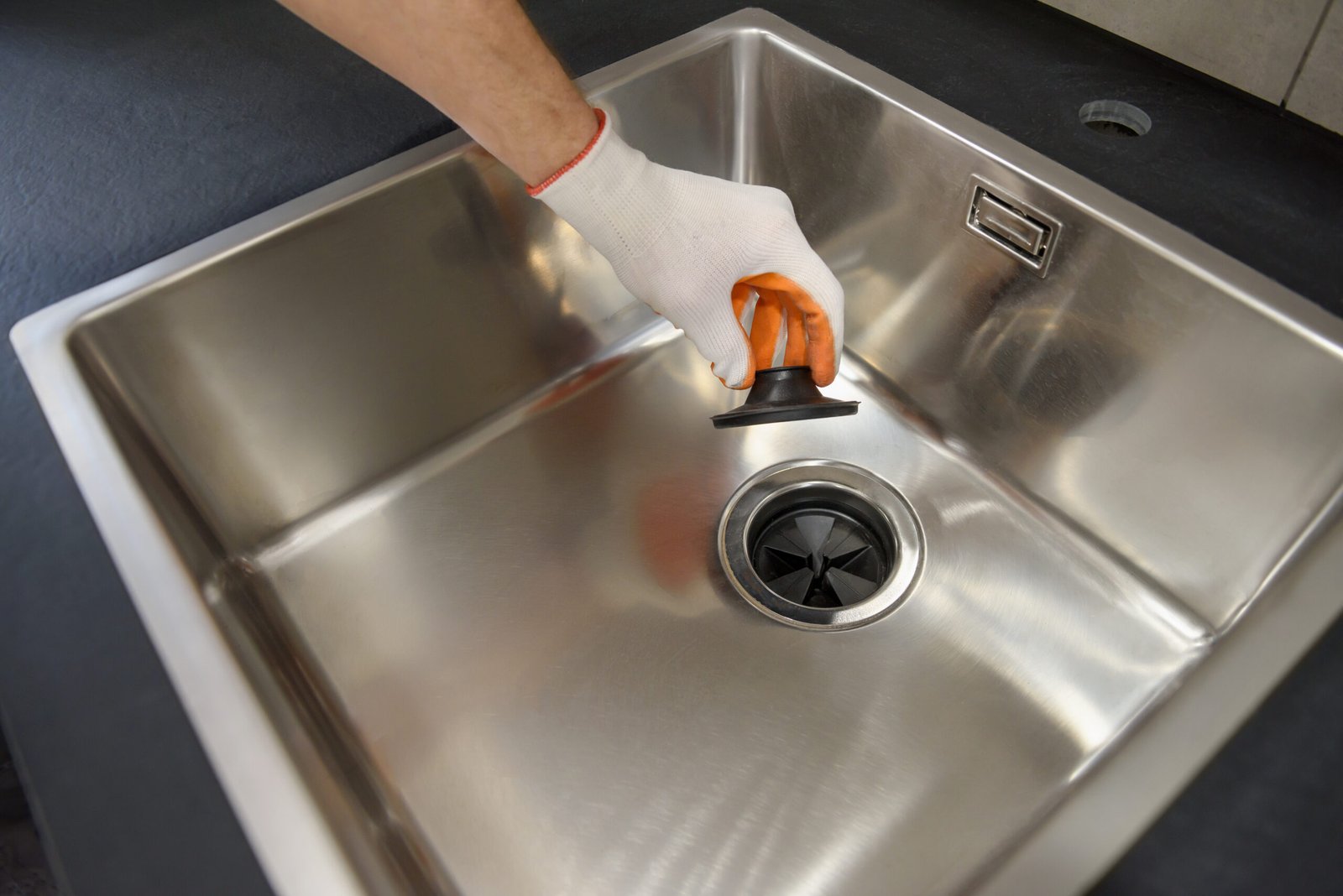
The rubber splash guard is another common source of trouble. Its underside contains folds that are difficult to see from above. These folds collect food particles and develop a sticky coating over time.
The smell often becomes stronger after the kitchen has been unused overnight. Moisture remains inside the disposal, allowing organic matter to continue breaking down.
Identify Where the Odor Is Coming From
Before cleaning, determine whether the smell actually originates inside the disposal. A sour food smell near the opening usually suggests trapped organic residue, while a musty odor inside the cabinet could indicate moisture from a plumbing connection.
Detailed kitchen cleaning does not always reach the disposal, so it is worth asking cleaning services cary nc whether accessible disposal surfaces and sink fittings are covered. Cleaning these areas requires a different approach from simply wiping countertops.
Check the sink strainer, drain opening, splash guard, and surrounding countertop seams. If there is a dishwasher connected to the disposal, pay attention to whether the odor becomes noticeable after a dishwasher cycle.
Persistent sewage-like smells may require a plumber rather than additional cleaning.
How to Clean a Garbage Disposal Safely
Disconnect the Power Before Cleaning
Never place a brush, cloth, or hand inside a disposal while it is connected to power. Unplug the appliance beneath the sink if it has an accessible plug. Otherwise, switch off the appropriate circuit breaker.
Do not rely solely on the wall switch. Someone could accidentally activate it while cleaning is underway.
Gather a long-handled nylon brush, mild dishwashing liquid, clean cloths, and warm water. Check the manufacturer’s instructions before removing components or applying any cleaning product.
Clean Beneath the Rubber Splash Guard
Some disposals have removable splash guards, while others have permanently attached guards. Consult the appliance manual before attempting removal.
If the guard is removable, wash it separately using warm, soapy water. Pay particular attention to the underside, where greasy deposits often accumulate between the rubber folds.
For an attached guard, use a suitable long-handled brush to clean accessible surfaces without reaching into the appliance.
A kitchen may appear spotless after routine cleaning services, yet residue beneath this small rubber component can continue producing odors for days. Thoroughly rinsing away loosened material makes a noticeable difference.
Remove Residue Around the Drain Opening
Apply a small amount of dishwashing liquid to a damp cloth and wipe the metal rim surrounding the disposal opening. Clean the junction between the rubber guard and the sink fitting.
Grease frequently collects along this narrow edge. Avoid using metal scrapers or abrasive pads that could scratch the finish.
Use a manufacturer-approved brush to clean accessible interior surfaces if the appliance instructions permit it. Never reach into the grinding chamber, even when the power is disconnected.
Once cleaning is complete, remove all tools, reinstall any removable components, and restore power. Run cold water and briefly operate the disposal according to its instructions.
Do Ice Cubes and Lemon Peels Actually Help?
Ice cubes are sometimes recommended for loosening soft deposits inside certain garbage disposals. However, ice does not sharpen the grinding components, and it cannot reliably clean the underside of a splash guard.
Lemon peels can temporarily introduce a pleasant citrus scent, but that scent does not remove the underlying source of an odor. Large quantities of peel may also create drainage problems in some installations.
Rather than relying on scented remedies, focus on physically removing food residue from accessible surfaces. Only use ice, citrus, or specialized disposal products if the manufacturer recommends them.
If an unpleasant smell returns shortly after using a deodorizing product, further inspection is usually more useful than adding another fragrance.
Food Waste That Can Make Disposal Odors Worse
Not every type of kitchen waste belongs in a garbage disposal. Certain foods leave behind stubborn deposits, while others interfere with drainage.
- Cooking grease and oil can coat internal surfaces and accumulate inside drainpipes.
- Potato peels contain starch that can form a sticky residue.
- Coffee grounds can settle inside plumbing and contribute to blockages.
- Fibrous vegetables, such as celery, may become tangled around grinding components.
- Large amounts of rice and pasta can contribute to drainage problems as they absorb water.
Scrape plates into the trash or compost bin before washing them. A disposal is better suited to handling small amounts of compatible food waste than entire portions of leftover meals.
Why the Sink Cabinet Deserves Attention Too
Sometimes the disposal itself is relatively clean, but the cabinet underneath smells damp or rotten. A small leak around the mounting assembly or drain connection can leave the cabinet floor wet without creating an obvious puddle.
Remove stored cleaning products and inspect the cabinet floor for discoloration, swelling, or damp patches. Look for moisture around accessible pipe connections without dismantling anything.
When booking CJS Cleaning Solutions for a detailed kitchen cleaning, mention any unexplained odors beneath the sink beforehand. Distinguishing dirty surfaces from possible plumbing problems helps establish which work belongs to a cleaner and which requires a repair technician.
Professional cleaning services can address accessible cabinet surfaces once a leak has been resolved. However, swollen wood, extensive moisture damage, or suspected mold may require separate attention.
Avoid covering a damp cabinet floor with fresh shelf liner until the moisture source has been identified and corrected.
Cleaning Products You Should Avoid Using Inside a Disposal
Strong chemical products may appear to offer a quick fix, particularly when ordinary soap does not immediately remove an unpleasant smell.
However, chemical drain openers can damage certain disposal components or create hazardous conditions for anyone who later works on the plumbing. Avoid using them unless the appliance manufacturer specifically permits the product.
Never mix bleach with vinegar, ammonia, or other cleaning chemicals. These combinations can release dangerous gases.
Baking soda and vinegar are popular kitchen cleaning ingredients, but their fizzing reaction does not guarantee that trapped food has been removed. Mild dishwashing liquid and careful mechanical cleaning of accessible surfaces are generally more useful for greasy deposits.
When Does a Smelly Disposal Need Professional Attention?
A persistent odor accompanied by slow drainage, unusual grinding noises, or water backing up into the adjacent sink suggests that the problem extends beyond surface cleanliness.
A plumber or appliance technician can inspect the drain configuration, grinding assembly, and plumbing connections.
If you are scheduling a deep clean with CJS Cleaning Solutions, explain any existing drainage or appliance problems before the appointment. Electrical faults and internal mechanical problems should be handled by an appropriately qualified technician.
Similarly, ordinary cleaning services should not be treated as a substitute for clearing a blocked pipe or repairing a damaged disposal.
How to Prevent Garbage Disposal Odors From Returning
Run cold water while grinding permitted food scraps and continue flushing afterward according to the manufacturer’s recommendations.
Wash accessible splash guard surfaces regularly, particularly after preparing greasy meals. Wipe the sink rim whenever you finish washing dishes rather than allowing food residue to dry around the opening.
Keep a small nylon brush specifically for sink maintenance. Store it somewhere that allows it to dry between uses.
These small habits reduce the amount of organic material left behind and make deeper kitchen cleaning considerably easier.
Conclusion
An unpleasant garbage disposal smell often begins with food residue hidden in places that ordinary dishwashing does not reach. Cleaning the rubber splash guard, removing greasy deposits, and using the appliance correctly can prevent many recurring odors. However, smells associated with leaking pipes, slow drainage, or mechanical trouble require further investigation. A combination of careful cleaning and sensible food disposal habits will help keep the kitchen fresher without exposing the appliance to unnecessary damage.