Cinched: Meaning, Fashion Styling, Benefits, and How to Wear It
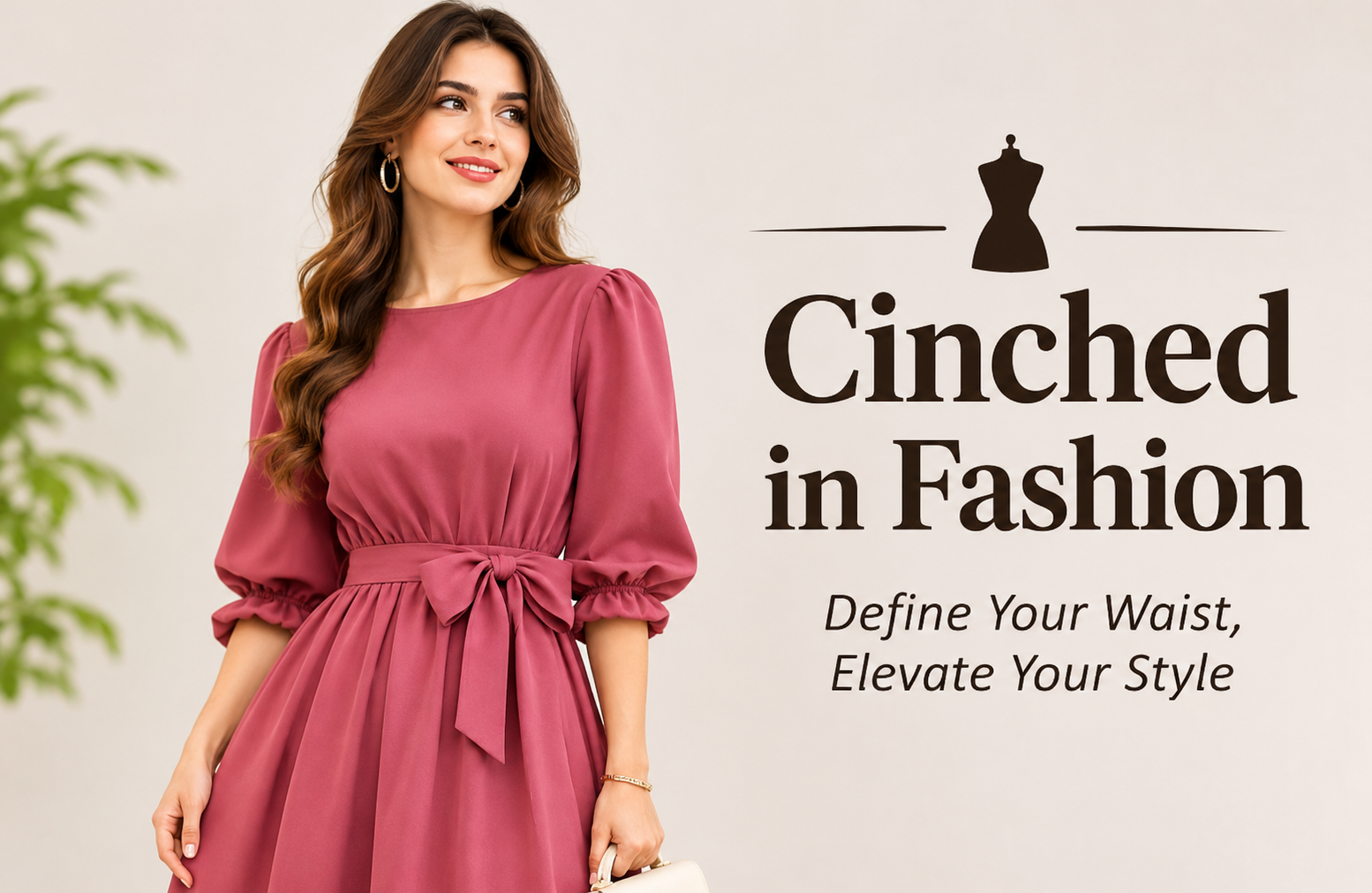
In fashion, cinched describes a clothing style in which fabric is drawn closer to the body, usually around the waist, to create a more defined and fitted silhouette. This technique is widely used in dresses, tops, jackets, coats, jumpsuits, and other garments to add shape without necessarily making the entire outfit tight. A cinched waist can transform a simple outfit into a more structured and polished look while allowing the fabric to flow naturally around the body.
The appeal of this design comes from its balance of comfort, shape, and versatility. Some garments use adjustable drawstrings, while others feature elastic panels, belts, gathered fabric, or carefully placed seams. Each method creates a slightly different appearance, making this detail suitable for casual outfits, office clothing, formal dresses, and seasonal fashion.
Understanding how this waist-defining technique works can help shoppers choose better-fitting clothes and create outfits that reflect their personal style. Whether someone prefers relaxed everyday clothing or elegant statement pieces, this design offers a practical way to add definition and visual interest to an outfit.
What Does Cinched Mean in Fashion?
In fashion, the word cinched refers to fabric that has been pulled, tightened, gathered, or secured to create a narrower shape in a particular area of a garment. Most commonly, this happens around the natural waist, although designers also use the technique around sleeves, wrists, ankles, and other sections of clothing.
A garment with a defined waist can look more structured than a loose or straight-cut alternative. The fabric follows the body’s general shape in one area while remaining relaxed elsewhere.
For example, a loose cotton dress may have a drawstring around the waist. Pulling the drawstring gathers the fabric and creates a more defined shape. The same dress can look relaxed when the drawstring is loose and more fitted when it is adjusted.
This design approach is not limited to one body type, clothing category, or fashion trend. It is a construction and styling technique that designers use to change the proportions and appearance of garments.
Understanding the Cinched Waist
The waist is the most common area where this technique appears. A cinched waist creates a visual distinction between the upper and lower portions of an outfit.
Designers use several methods to achieve this effect:
- Elastic waistbands: Stretchable material gathers the fabric and creates a flexible fit.
- Drawstrings: Adjustable cords allow wearers to control how tightly the fabric sits.
- Fabric belts: Matching or contrasting belts bring attention to the waist.
- Shirring: Multiple rows of elastic stitching gather fabric into a textured section.
- Darts and seams: Tailored construction shapes the garment around the torso.
- Wrap closures: Overlapping fabric is secured at the waist to create definition.
Although these methods can produce similar visual results, they do not offer exactly the same fit or level of adjustability.
Why Is This Design Popular?
One reason this design remains popular is that it offers flexibility. A single garment can create different looks depending on how the waist is adjusted or styled.
For example, a shirt dress can appear loose and casual when worn without a belt. Adding a waist tie creates a more structured appearance suitable for a different occasion.
The technique also gives designers more freedom when working with oversized silhouettes. Instead of relying entirely on tight cuts, they can use gathered fabric and adjustable details to create shape while preserving movement.
Another reason for its popularity is its compatibility with different fashion aesthetics, including minimalist clothing, romantic dresses, streetwear, vintage-inspired outfits, and contemporary tailoring.
How Cinched Clothing Changes an Outfit
A garment’s silhouette influences how an outfit looks and feels. The placement of seams, the amount of fabric, and the way a garment follows the body all contribute to its overall appearance.
A defined waist can change these proportions without requiring complicated styling.
Creates a More Defined Silhouette
One of the most noticeable effects is the creation of a visible waistline. Loose clothing can sometimes appear shapeless, particularly when it contains a large amount of fabric.
Adding a gathered section or belt introduces structure. The upper and lower parts of the garment become visually distinct, making the outfit look more intentional.
This does not mean that every outfit needs a narrow waist. Rather, it provides another styling option for people who want to experiment with proportions.
Adds Structure to Loose Clothing
Oversized fashion has become an important part of modern wardrobes. However, wearing several loose garments together can sometimes make an outfit look unbalanced.
A waist-defining detail can introduce contrast.
For example:
- An oversized blouse can be paired with a waist belt.
- A relaxed maxi dress can include an adjustable drawstring.
- A loose jacket can feature an elastic waist.
- A long tunic can be styled with a fabric tie.
These combinations preserve the comfort of relaxed clothing while adding a more deliberate shape.
Makes Simple Clothing More Interesting
Sometimes, the smallest design detail makes the biggest difference.
A plain black dress may look simple when it has a straight silhouette. Adding a gathered waist creates texture and gives the garment a different character.
Similarly, a basic cotton top with a drawstring can look more distinctive than an ordinary loose-fitting shirt.
This is useful for people who prefer simple wardrobes but still want variety in their outfits.
Different Types of Cinched Clothing
This design appears in many clothing categories. Each garment uses waist definition differently, depending on its purpose, fabric, and overall silhouette.
1. Cinched Waist Dresses
Victoria Beckham Gathered midi dress Victoria Beckham
Jaase Willow print Tessa Maxi | TishTashLondon
Düz Kemerli Pileli Panel Elbise – Ballanzia
14
Dresses are among the most common examples of this design. They often combine a fitted middle section with a flowing skirt, creating a balanced silhouette.
Popular styles include:
- Maxi dresses: Long dresses with adjustable waist ties or gathered sections.
- Midi dresses: Medium-length designs that work well for casual and semi-formal occasions.
- Shirt dresses: Button-front dresses that use matching fabric belts to define the waist.
- Wrap dresses: Overlapping fabric secured with a tie or fastening.
- Smocked dresses: Dresses featuring elastic stitching that creates a flexible, gathered bodice or waist.
When choosing a dress, consider where the waist detail sits. A natural-waist design creates a different visual effect from an empire-waist dress, where the fitted section begins just below the bust.
2. Cinched Waist Tops and Blouses
Peplum Hem & Tailored Fit Blouse
Μπλούζα αέρινη λαδί- Γυναικείες μπλούζες | Open Fashion
Blusa Peplum com Lastex na Cintura Vermelho
16
Tops with adjustable or gathered waist sections are useful for creating shape without wearing a fully fitted shirt.
Common examples include:
- Peplum tops with a fitted upper section and flared lower edge.
- Drawstring blouses with adjustable sides.
- Elastic-waist shirts with a gathered bottom section.
- Wrap tops that tie around the waist.
- Cropped tops with structured or gathered waist details.
These designs work well with straight-leg jeans, wide-leg trousers, tailored pants, and skirts.
A useful styling approach is to combine a detailed top with simple bottoms. This prevents the outfit from looking overly complicated.
3. Cinched Waist Jackets
Access to this page has been denied.
Geacă de piele Elisabetta Franchi | Slim Fit | culoare negru | Gomez.ro
Як зробити свій повсякденний образ стильним: 5 простих порад
12
Jackets use waist definition to create structure while maintaining enough room for comfortable layering.
Some designs include adjustable side tabs, built-in belts, elastic panels, or shaped seams.
Popular options include:
- Belted trench coats.
- Tailored blazers.
- Leather jackets with adjustable waists.
- Utility jackets with drawstrings.
- Puffer jackets with elastic waist sections.
A belted jacket can make a simple combination of jeans and a T-shirt look more polished. It can also give oversized outerwear a more intentional shape.
When purchasing a jacket, check whether the waist adjustment remains comfortable over the clothes you normally wear underneath.
4. Cinched Waist Jumpsuits
Tailored Crepe Jumpsuit | White House Black Market
Utility Jumpsuit | Banana Republic Factory
WILLA KOBE – Jumpsuit – black – Zalando
15
Jumpsuits combine a top and trousers into one garment. A defined waist helps separate the upper and lower portions, making the design look more structured.
Common versions include:
- Wide-leg jumpsuits with fabric belts.
- Utility jumpsuits with adjustable drawstrings.
- Formal jumpsuits with tailored waist seams.
- Casual cotton jumpsuits with elastic waistbands.
One important consideration is torso length. A jumpsuit can feel uncomfortable if its waist seam sits too high or too low for the wearer’s proportions.
Always check the rise, waist placement, and overall length before buying.
5. Cinched Waist Skirts
Women’s High Waisted Ruched Flowy Maxi Casual Skirt – Halara
HEIRESS BEVERLY HILLS Premium Cotton Blend Ruched Draped Waist Detail Maxi Skirt in Purple | Lyst
To b. by agnes b.(トゥービーバイアニエスベー)の「ハイウエストスカート(スカート)」 – WEAR
15
Skirts with gathered or structured waistbands combine definition at the top with movement through the lower section.
Popular options include elastic-waist skirts, paperbag-waist skirts, gathered maxi skirts, and ruched designs.
These styles pair well with fitted T-shirts, tucked-in shirts, cropped sweaters, and simple blouses.
A paperbag waist is particularly distinctive because the waistband gathers extra fabric above it, often creating a soft, folded appearance.
How to Style Cinched Clothing for Different Occasions
A major advantage of this design is that it can be adapted to different settings. The same styling principle can work for everyday outfits, professional clothing, evening events, and seasonal wardrobes.
The key is selecting the right garment, fabric, accessories, and level of structure.
Everyday Casual Outfits
For daily wear, comfort should come first.
A cotton shirt with an adjustable waist can create an attractive casual outfit when paired with straight-leg jeans and comfortable shoes.
Other easy combinations include:
- A relaxed blouse with wide-leg denim.
- A drawstring maxi dress with flat sandals.
- An oversized shirt with a simple waist belt.
- A gathered top with relaxed trousers.
- A casual jumpsuit with sneakers.
Avoid adding too many statement accessories when the garment already has noticeable gathering or decorative details.
A simple bag, minimal jewelry, and comfortable footwear are usually enough.
Office and Professional Clothing
Professional outfits often benefit from clean lines and controlled proportions.
A tailored blazer with a shaped waist can create a structured appearance without looking overly decorative.
Consider these combinations:
- A fitted blazer with straight-leg trousers and a simple blouse.
- A belted shirt dress with closed-toe shoes.
- A structured waistcoat with tailored pants.
- A simple wrap blouse with a pencil skirt.
- A belted long coat over a neutral office outfit.
For a professional setting, choose garments with neat stitching, stable waist construction, and moderate detailing.
Very tight drawstrings, excessive gathering, or bulky belts may not suit every workplace.
Formal Events and Evening Wear
Formal clothing often uses waist definition to create a more sculpted appearance.
Evening dresses may feature shaped bodices, fabric belts, gathered sections, or decorative waist panels.
For a refined appearance, consider:
- A satin dress with a shaped waist.
- A chiffon maxi dress with a matching belt.
- A structured evening gown with a defined bodice.
- A velvet dress with subtle waist gathering.
- A tailored jumpsuit with a decorative fastening.
The fabric matters considerably. Satin reflects light and can highlight folds, while chiffon creates a softer and more flowing appearance.
Choose accessories according to the garment’s design. If the waist already contains decorative elements, a simple necklace and understated earrings can provide balance.
Streetwear and Modern Fashion
Streetwear often combines relaxed proportions with distinctive accessories.
An oversized jacket can be styled with a wide belt, while a loose shirt can be tucked into high-waisted trousers.
Other combinations include:
- An oversized hoodie with an adjustable waist.
- A relaxed utility jacket with cargo pants.
- A loose shirt with a statement belt.
- A structured cropped jacket with baggy denim.
- A relaxed jumpsuit with sneakers.
The goal is to create contrast between loose and structured elements.
Summer Styling
Warm-weather clothing often uses lightweight fabrics and adjustable details.
Cotton, linen, and breathable blends are useful choices because they allow air movement and can feel comfortable during hot weather.
Consider:
- A linen dress with a fabric tie.
- A cotton blouse with gathered sides.
- A lightweight maxi dress with an elastic waist.
- A relaxed summer jumpsuit.
- A short-sleeved shirt dress with a matching belt.
Light colors, breathable materials, and simple footwear can make these outfits practical for everyday activities.
Winter Styling
During colder months, waist definition can help bulky clothing look more structured.
A long wool coat with a belt, for example, can create shape while allowing room for warm layers underneath.
Other options include:
- A belted puffer jacket.
- A wool coat with adjustable waist tabs.
- A thick knit dress with a matching belt.
- A long cardigan secured with a fabric tie.
- A structured jacket over a lightweight sweater.
Make sure the waist adjustment does not compress the layers underneath. Comfortable movement and proper insulation are more important than achieving a particular silhouette.
How to Choose the Right Cinched Clothing for Your Body Shape
There is no single body shape that should wear this style. Different cuts and waist placements can work for different preferences.
The most important factor is how the garment fits, moves, and feels.
Instead of following strict body-shape rules, consider the proportions you want to create and the level of comfort you need.
For People Who Prefer a Defined Waist
A shaped dress, wrap top, or tailored jacket can create a clear waistline.
Look for:
- Structured seams.
- Adjustable waist ties.
- Medium-width belts.
- Dresses with natural-waist construction.
These details provide shape without requiring extremely tight clothing.
For People Who Prefer Relaxed Clothing
A loose garment with a soft drawstring is a useful option.
You can adjust the fabric slightly rather than pulling it tightly against the body.
This creates a gentle shape while preserving the relaxed appearance of the outfit.
For Petite Frames
People with shorter proportions may prefer waist details that do not create excessive bulk.
Useful choices include:
- Narrow belts.
- Lightweight gathered dresses.
- Shorter jackets with defined waistlines.
- Simple wrap tops.
- Dresses with carefully positioned waist seams.
The objective is to maintain balanced proportions rather than follow a fixed rule about where every garment should sit.
For Taller Frames
Taller individuals can experiment with longer garments, wider belts, and more dramatic proportions.
A long coat with a prominent waist belt can create an interesting contrast between the fitted middle and flowing lower section.
Wide-leg trousers and maxi dresses can also work well with structured tops.
For Plus-Size Clothing
Comfort, support, and fit should guide clothing choices.
A well-designed garment can provide waist definition without creating unnecessary pressure.
Look for:
- Stretch-friendly materials.
- Adjustable waistbands.
- Properly positioned seams.
- Soft elastic construction.
- Belts with enough length for comfortable adjustment.
Avoid assuming that every plus-size garment needs a tight waist. A softly shaped silhouette can be just as stylish as a highly structured one.
For Different Personal Preferences
Some people enjoy fitted clothing, while others prefer loose silhouettes.
Both approaches can work.
A person who likes minimal styling might choose a dress with built-in shaping. Someone who enjoys experimenting with fashion might prefer a statement belt over an oversized blazer.
The best choice is the one that supports the wearer’s lifestyle and personal taste.
Fabrics That Work Best for Cinched Clothing
Fabric selection has a major effect on how gathered or shaped clothing looks.
The same waist design can appear soft, structured, casual, or formal depending on the material.
Cotton
URBAN RESEARCH ROSSO(アーバンリサーチロッソ)の「インド綿ウエストギャザーワンピース(ワンピース)」 – WEAR
Cotton is a common choice for casual dresses, shirts, and everyday tops.
It is breathable and available in different weights and textures. Lightweight cotton can create soft gathers, while heavier cotton offers more structure.
Linen
Reiss Petite Anita Belted Linen Dress in White | Lyst
Linen is particularly suitable for warm-weather garments.
Its natural texture gives clothing a relaxed appearance. Linen dresses with waist ties are useful for casual outfits and summer occasions.
However, linen wrinkles more easily than many synthetic fabrics, which is worth considering when choosing formal clothing.
Satin
ACCESS FASHION Sukienka wieczorowa 63-3333-124 Brązowy Regular Fit | Modivo.pl
Satin is often used in evening dresses, occasion wear, and elegant blouses.
Its smooth surface creates a polished appearance. However, the way satin reflects light can make folds and gathering more noticeable.
A well-constructed waist section is important for achieving a neat finish.
Chiffon
Chiffon is lightweight and often used in flowing dresses.
It creates soft movement around gathered areas and works particularly well for layered skirts and formal outfits.
Because it is delicate, it usually needs careful construction and suitable lining.
Denim
River Island Womens Denim Jacket Plus Blue Belted
Denim provides more structure than many lightweight fabrics.
It is frequently used in jackets, dresses, and casual garments with adjustable waist sections.
Heavier denim may require stronger stitching and carefully designed closures to ensure a comfortable fit.
Knit Fabrics
Grey Ribbed Gathered Waist Stretch Dress | Roman UK
Knit materials can provide flexibility and comfort.
They are useful for casual dresses, tops, and lightweight sweaters. Elasticity allows the garment to follow body movement while maintaining its general shape.
However, the amount of stretch and recovery varies between knit fabrics, so garment quality matters.
The Difference Between Cinched, Ruched, Gathered, and Fitted Clothing
These fashion terms are sometimes used interchangeably, but they describe different design features.
Understanding the differences makes shopping easier and helps people describe clothing more accurately.
| Fashion term | Meaning |
| Cinched | Fabric is pulled inward to create a narrower section. |
| Ruched | Fabric is gathered into decorative folds or wrinkles. |
| Gathered | Extra fabric is drawn together into small folds. |
| Fitted | Clothing follows the body’s shape more closely. |
| Tailored | Garments are shaped through careful cutting and sewing. |
| Corseted | Clothing uses corset-style construction to provide structured support or shaping. |
| Smocked | Multiple rows of stitching create a gathered, flexible section. |
Cinched vs. Ruched
A ruched garment contains gathered fabric that creates visible folds.
A waist can be cinched using ruching, but the terms do not always mean the same thing.
For example, a ruched dress may have decorative gathering across the stomach or sides without creating a tightly defined waist.
Cinched vs. Fitted
Fitted clothing follows the body’s shape.
However, it does not necessarily use gathered fabric, belts, or adjustable closures.
A fitted dress may have a smooth silhouette created through darts and seams, while another dress may use a drawstring to create a similar appearance.
Cinched vs. Corseted
Corseted clothing uses a more structured construction method.
Traditional corsets may contain boning, reinforced panels, and lacing systems. A simple gathered dress or belted jacket does not have these features.
This distinction matters because the level of support, comfort, and adjustment can be very different.
Benefits of Choosing Cinched Clothing
This style offers several practical advantages beyond appearance.
1. Greater Styling Flexibility
Adjustable waist details allow people to change the appearance of a garment.
A drawstring dress, for example, can be worn loosely during relaxed activities and adjusted for a more structured look when desired.
This makes adjustable garments useful for people who prefer versatile clothing.
2. Better Visual Balance
A waist detail can create contrast between oversized and fitted sections.
This is especially useful when styling wide-leg trousers, loose blouses, long coats, and flowing dresses.
3. More Variety in Simple Wardrobes
A basic outfit can look different with a simple change in styling.
Adding a belt to a loose dress or adjusting a drawstring top can introduce a new silhouette without requiring an entirely different outfit.
4. Options for Different Occasions
This technique appears in everyday clothing, office wear, formal dresses, and outerwear.
As a result, shoppers can find garments that suit different activities without relying on one specific fashion aesthetic.
5. Comfortable Adjustment
Some designs offer practical flexibility.
Elastic panels and adjustable ties can accommodate small changes in fit throughout the day. However, this depends on the construction and quality of the garment.
Not every waist-defining design is adjustable, so it is important to check the product details.
Challenges and Common Problems With Cinched Clothing
Although this design can be attractive and practical, it also comes with some limitations.
Understanding these issues can help shoppers avoid uncomfortable purchases.
Excessive Tightness
One of the most common problems is pulling a waist tie or belt too tightly.
This can create discomfort, restrict movement, and cause fabric to bunch unevenly.
A garment should allow comfortable sitting, walking, and breathing.
Incorrect Waist Placement
A waist seam that sits too high or too low may create an awkward fit.
This is particularly important in dresses and jumpsuits because their waist positions are often fixed.
Check the garment measurements rather than relying only on the size label.
Uneven Gathering
Poor construction can cause fabric to gather unevenly.
This may result in visible bumps, twisted seams, or an untidy appearance.
Look for evenly distributed gathers and secure stitching.
Fabric Bulk
Heavy materials can create excessive volume when gathered.
For example, thick denim or heavy cotton may form bulky folds around the waist.
Lighter fabrics are often easier to gather, although the best material depends on the garment’s intended structure.
Limited Adjustability
Some garments look adjustable but have very little room for movement.
An elastic waistband may also lose its stretch over time.
Check the quality of the elastic, drawstring, and stitching before purchasing.
Difficult Layering
A tightly shaped jacket may not fit comfortably over thick sweaters.
Similarly, a gathered dress may become uncomfortable when layered with bulky undergarments.
Consider how the garment will be worn throughout the season.
How to Find the Perfect Fit When Shopping
Buying clothing online can make it difficult to judge how a garment will sit on the body.
The following steps can help shoppers make more informed decisions.
Step 1: Check the Waist Measurement
Measure around your natural waist without pulling the measuring tape tightly.
Compare your measurement with the brand’s size chart.
Do not assume that the same size will fit identically across different brands.
Step 2: Examine the Waist Construction
Check whether the garment uses:
- Elastic.
- A drawstring.
- A separate belt.
- Shaped seams.
- Shirring.
- A fixed waistband.
Each construction method affects the garment differently.
Step 3: Consider the Fabric
Think about where and when you plan to wear the garment.
For summer clothing, breathable fabrics may be more comfortable. For structured jackets, a material with enough body may produce a cleaner silhouette.
Step 4: Check the Length
The overall length can influence how balanced an outfit looks.
For dresses, consider whether the hem falls at the knee, midi, or ankle level.
For jackets, check whether the waist detail sits at the intended position.
Step 5: Read Customer Reviews
When shopping online, customer feedback can provide useful information about sizing and construction.
Look for comments about:
- Waist tightness.
- Fabric thickness.
- Stretch and flexibility.
- Product length.
- Drawstring quality.
- Whether the garment matches the photographs.
Reviews are most helpful when they describe specific fit experiences rather than simply saying that an item looks nice.
Step 6: Consider Your Daily Activities
A garment that works for an evening event may not be suitable for a long working day.
Think about sitting, walking, travelling, and other movements before choosing a highly structured design.
Comfort should remain part of the purchasing decision.
How to Create a Defined Waist Without Buying New Clothes
You do not always need to purchase a new outfit to achieve a more structured silhouette. Many existing wardrobe pieces can be styled differently with a few simple adjustments.
Use a Belt
A belt is one of the easiest ways to change the shape of loose clothing.
Try wearing a medium-width belt over:
- An oversized shirt dress.
- A loose cardigan.
- A long blazer.
- A lightweight tunic.
- A flowing maxi dress.
Choose a belt that complements the fabric. A leather belt can add structure to heavier clothing, while a fabric belt often looks more natural with lightweight dresses.
Try a Fabric Tie
Some shirts, dresses, and cardigans can be tied using their existing fabric.
If your garment has long side ties, experiment with different knot positions. A simple knot can create a neat finish without adding another accessory.
Avoid pulling the fabric too tightly, especially when the material is delicate.
Tuck Your Shirt Strategically
A full tuck or French tuck can change the proportions of an outfit.
A French tuck involves placing only the front section of a shirt inside the waistband while leaving the back loose.
This technique works particularly well with jeans, tailored trousers, and skirts.
Layer With Structured Clothing
A structured jacket or fitted waistcoat can introduce shape to a loose outfit.
For example, a relaxed white shirt paired with straight-leg trousers and a tailored blazer creates a balanced combination.
This approach is useful when you want a polished appearance without wearing tight clothing.
Choose Adjustable Accessories
An adjustable belt offers more flexibility than a fixed-size accessory.
Look for designs with multiple holes, buckle adjustments, or tie closures.
The ideal accessory should remain secure without creating pressure around the body.
Fashion Trends and the Continuing Appeal of Waist Definition
Fashion trends change, but designers continue to explore ways of creating interesting silhouettes.
Waist definition has appeared in many different fashion periods, from structured historical dressmaking to contemporary ready-to-wear clothing.
Older styles often relied on corsetry and highly structured garments. Modern clothing offers more varied options, including elastic construction, fabric belts, adjustable cords, and shaped seams.
The difference is that contemporary styling does not need to depend on one narrow silhouette.
The Influence of Tailored Fashion
Tailoring has played an important role in shaping modern clothing.
Blazers, coats, and formal dresses often use darts and panel seams to create a cleaner fit.
These construction techniques allow garments to follow the body’s general shape without relying entirely on elastic or adjustable ties.
A well-tailored jacket can therefore provide waist definition while maintaining a professional appearance.
The Return of Statement Belts
Belts have become more than functional accessories.
Wide belts, decorative buckles, and contrasting materials can act as the main feature of an outfit.
A simple dress can look more distinctive when styled with a statement belt.
However, the belt should complement the garment rather than overwhelm it.
Oversized Fashion and Proportional Styling
Oversized clothing remains a useful part of contemporary wardrobes.
However, combining oversized garments with structured accessories creates another styling possibility.
For instance, a long oversized blazer can be worn with a waist belt, while loose trousers can be paired with a more defined top.
This contrast gives people greater freedom to experiment with shape.
Modern Fashion and Individual Expression
One important change in contemporary fashion is the growing range of ways people interpret clothing.
Some prefer sharp tailoring, while others enjoy relaxed shapes and soft fabrics.
Waist definition can fit into both approaches.
A person can choose a structured leather jacket, a loose cotton dress with an adjustable tie, or a minimalist blouse with shaped seams.
The design does not need to follow one particular fashion trend to be useful.
How to Care for Clothing With Gathered and Adjustable Waist Details
Garments with elastic, drawstrings, decorative gathering, and shaped seams may need extra care.
Following the correct washing and storage instructions can help maintain their original appearance.
Read the Care Label
Always check the manufacturer’s washing instructions.
Different materials require different treatments.
Cotton, linen, satin, chiffon, and knit fabrics do not necessarily respond to washing and drying in the same way.
Protect Elastic Sections
Elastic can lose its flexibility when exposed to excessive heat or unsuitable washing conditions.
To help preserve it:
- Follow the recommended washing temperature.
- Avoid unnecessary high-heat drying.
- Do not stretch elastic sections more than needed.
- Store garments without placing excessive weight on them.
Handle Drawstrings Carefully
Before washing, check whether the drawstring can be removed.
If it cannot, make sure it is secured so it does not become tangled.
Avoid pulling the cord aggressively when adjusting the garment.
Store Belts Properly
Leather belts should be stored in a way that prevents unnecessary bending or damage.
Fabric belts can be folded neatly or hung, depending on their construction.
Keeping accessories separate from delicate garments can also prevent unwanted friction.
Iron According to Fabric Type
Some gathered areas can lose their shape if pressed incorrectly.
Use the recommended temperature for the material and avoid flattening decorative folds unnecessarily.
For delicate fabrics, follow the garment’s care instructions rather than applying direct heat without checking.
Common Styling Mistakes to Avoid
Even a well-designed outfit can look unbalanced when the proportions or accessories are not chosen carefully.
Here are some common mistakes worth avoiding.
Choosing the Wrong Belt Width
A very wide belt may overwhelm a delicate dress, while a narrow belt may not provide enough visual contrast over a thick coat.
Consider the garment’s material and overall proportions when selecting an accessory.
Pulling Adjustable Waistbands Too Tightly
An adjustable feature should improve the fit, not make the garment uncomfortable.
Excessive tightening can cause unwanted folds and put pressure on the fabric.
Ignoring the Rest of the Outfit
A defined waist is only one part of an outfit.
The top, bottom, footwear, and accessories should work together.
For example, a detailed gathered dress may look best with simple shoes and understated jewelry.
Mixing Too Many Statement Details
Combining a decorative belt, heavily gathered dress, oversized necklace, and elaborate shoes can make an outfit feel visually crowded.
Choose one or two main features and keep the remaining elements relatively simple.
Ignoring Fabric Weight
Heavy fabric may not gather as smoothly as lightweight material.
A bulky waist section can affect the garment’s appearance and comfort.
Always consider the fabric before deciding how tightly to adjust it.
Is Cinched Clothing Suitable for Every Season?
Yes. This design can be used throughout the year because it is available in different fabrics, garment types, and levels of structure.
The best choice depends on the weather and the intended use.
| Season | Suitable clothing | Recommended materials |
| Spring | Lightweight dresses and blouses | Cotton and linen blends |
| Summer | Relaxed maxi dresses and tops | Cotton, linen, and breathable blends |
| Autumn | Tailored jackets and knit dresses | Denim, wool blends, and knits |
| Winter | Belted coats and structured outerwear | Wool, heavier knits, and insulated fabrics |
Seasonal styling is not just about appearance. It also involves choosing materials that support comfortable movement and appropriate temperature control.
Is This Style Worth Adding to Your Wardrobe?
For many people, clothing with adjustable or shaped waist details can be a practical wardrobe choice.
The reason is simple: these garments offer more styling options than some completely straight-cut designs.
A single adjustable dress can create a relaxed daytime look or a more structured outfit for an evening occasion.
Likewise, a belted jacket can work with jeans, dresses, and tailored trousers.
However, not every wardrobe needs multiple garments with this feature.
A practical approach is to start with one versatile item that matches your existing clothing.
For example:
- Choose a neutral dress that works with different shoes.
- Select a blazer that complements your everyday trousers.
- Try a simple fabric belt that can be worn with several outfits.
- Invest in a comfortable adjustable jumpsuit if you regularly wear one-piece clothing.
Think about how often you will wear the item rather than purchasing it simply because it is fashionable.
Frequently Asked Questions
1. What does cinched mean in clothing?
In clothing, cinched means that fabric is pulled or gathered inward, usually around the waist, to create a narrower and more defined shape. It can be achieved with belts, drawstrings, elastic, or tailored seams.
2. What is a cinched waist dress?
A cinched waist dress is a dress designed with a narrower or gathered section around the waist. It may use elastic, a drawstring, a fabric belt, or shaped seams to create a more defined silhouette.
3. Is cinched clothing comfortable?
Yes, it can be comfortable when the garment fits correctly and does not restrict movement. Adjustable drawstrings and elastic waistbands offer flexibility, while tightly structured garments may feel less comfortable.
4. What is the difference between cinched and ruched clothing?
Cinched clothing has fabric pulled inward to create a narrower shape, commonly at the waist. Ruched clothing features gathered folds that add texture and decorative detail. Ruching can be used to create a cinched appearance, but the terms are not identical.
5. Can you wear cinched clothing with oversized outfits?
Yes. Combining a defined waist with oversized clothing creates contrast and helps balance the overall silhouette. Belts, adjustable jackets, and gathered tops are useful options for this type of styling.
6. What fabrics are best for cinched clothing?
Cotton, linen, satin, chiffon, denim, and knit fabrics can all work well. The best choice depends on the garment’s design, desired structure, comfort, and occasion.
Conclusion
Fashion is not only about following trends. It is also about understanding how different clothing designs influence comfort, appearance, and personal expression. Waist definition is a versatile design feature that allows people to experiment with proportions while maintaining their preferred style.
From dresses and blouses to jackets, jumpsuits, and skirts, this technique offers many possibilities. Its appearance can range from soft and relaxed to structured and formal, depending on the fabric and construction.
The most important consideration is choosing garments that fit comfortably and suit your lifestyle. Adjustable details, suitable materials, balanced proportions, and thoughtful accessories can make everyday outfits more versatile.
Ultimately, good styling is about feeling comfortable in what you wear. There is no single silhouette that everyone needs to follow, and the best clothing choices are those that reflect individual preferences while providing a practical and enjoyable fit.