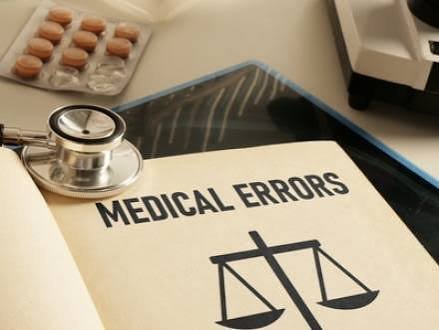
Legal Remedies for Patients Injured by Healthcare Mistakes
When healthcare mistakes cause injury, patients face a confusing mix of medical recovery, emotional stress, and financial burdens. Understanding the legal remedies available helps injured patients and their families pursue compensation, encourage safer practices, and find accountability. Remedies can include financial damages, corrective medical care, regulatory complaints, and changes to institutional policies; choosing the right path depends on the facts of the case and the patient’s goals.
How Medical Errors Lead to Legal Claims
Medical errors that form the basis of legal claims typically arise from negligence, meaning a provider failed to meet the standard of care expected in similar circumstances. Mistakes can involve surgical errors, misdiagnosis or delayed diagnosis, medication mistakes, anesthesia complications, and birth injuries. Not every bad outcome is actionable; the central legal question is whether a provider’s conduct breached the standard of care and whether that breach caused harm. Establishing causation often requires medical experts who can explain what a competent provider would have done and how the deviation produced injury.
Types of Legal Remedies
The most common legal remedy in cases of harmful medical care is monetary compensation. Damages may cover past and future medical expenses, lost income, reduced earning capacity, pain and suffering, and loss of consortium. Some jurisdictions cap certain non-economic damages, so the potential recovery can vary widely. In addition to compensatory damages, punitive damages might be available when a provider’s conduct was especially reckless, though these are rare in medical contexts.
Beyond money, injunctive relief can be obtained in limited circumstances. A court may order a hospital or clinic to change policies, implement training, or improve supervision when systemic issues jeopardize patient safety. Administrative remedies exist as well: reporting the incident to state medical boards can result in sanctions, license restrictions, or required remediation courses for clinicians. While disciplinary actions rarely provide direct financial relief to the patient, they serve the public interest and can prevent future harm.
How Claims Are Brought and Resolved
Patients may pursue claims through litigation, settlement negotiations, or alternative dispute resolution such as mediation. Many cases settle before trial because litigation is time-consuming and uncertain. Settlements can provide a quicker stream of compensation and avoid the stress of a public trial, but they often include confidentiality provisions and release the provider from future claims related to the incident. Trials give patients the opportunity to present evidence to a jury and possibly win a larger award, but the process is lengthier and outcomes are unpredictable.
Administrative complaints to licensing boards start a separate process focused on professional discipline rather than monetary recovery. Complaints to hospital risk management can sometimes produce remedial care or financial assistance without a formal lawsuit. Understanding the distinctions among these paths helps patients select the remedy that best matches their priorities.
Gathering Evidence and Proving the Case
Effective legal remedies depend on careful documentation and expert testimony. Collecting medical records, imaging, lab results, and a clear timeline of events is essential. Photographs of injuries and a record of related expenses bolster claims for damages. Expert witnesses—typically other physicians in the same specialty—must opine that the treating provider deviated from accepted standards and that this deviation caused harm. Demonstrating causation can be especially challenging in cases where underlying health issues complicate the medical picture.
Patients should preserve records early, request complete medical charts, and consider independent medical examinations when appropriate. A well-documented file not only strengthens a legal claim but also assists the treating team in addressing ongoing care needs.
The Role of Legal Counsel
Navigating medical injury claims requires specialized legal knowledge. Attorneys assess liability, manage the complex requirements of medical expert disclosure, and negotiate with insurers and institutional counsel. A skilled attorney can also guide clients through settlement offers, evaluate the likely strength of a case at trial, and explain the impact of local laws such as statutes of limitations and damage caps. For patients uncertain about their options, consultation with an experienced professional often clarifies the best route forward and protects important procedural rights.
Medical Malpractice Lawyer appears here as a resource many injured patients consult for detailed case evaluation and representation.
Timing, Costs, and Practical Considerations
Time limits to file a claim vary by state and by the type of remedy sought. Failing to act within the statute of limitations can forfeit a patient’s chance to obtain compensation. Contingency fee arrangements allow many patients to pursue claims without upfront payment; attorneys are paid a portion of any recovery. Litigation costs such as expert fees and court expenses can be substantial, but many firms advance these costs and are repaid only if there is a recovery.
Patients must weigh the desire for accountability against the emotional toll of litigation. Some find closure through a settlement and hospital reforms, while others pursue a trial to publicly air the facts. Communication with family, counselors, or patient advocates can help manage stress throughout the legal process.
Preventive and Systemic Solutions
Legal remedies not only compensate injured individuals but can prompt systemic changes. Settlements and verdicts often lead institutions to revise protocols, adopt new technologies, or enhance staff training. Advocacy by injured patients and their families can spur legislative reforms, such as improved reporting systems and stronger oversight. Pursuing a claim, therefore, can have wider benefits by reducing the likelihood of similar injuries to future patients.
Moving Forward After Injury
Patients recovering from healthcare mistakes should prioritize medical stabilization and a clear plan for ongoing care. Once immediate needs are addressed, learning about legal options and preserving evidence are prudent next steps. Whether the goal is compensation, reform, or both, understanding available remedies empowers patients to make informed decisions that align with their recovery and justice goals.