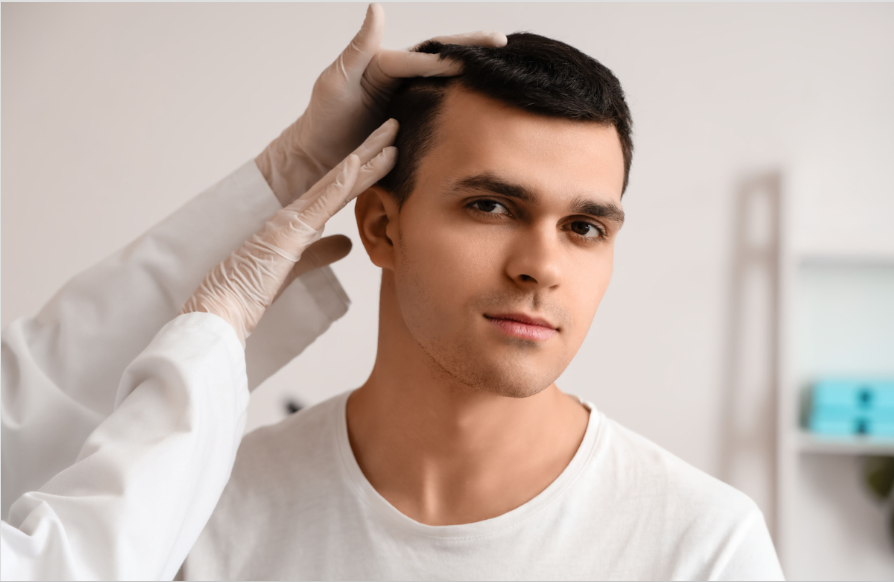
Toronto Hair Transplant Clinic: The Different Areas Hair Restoration Can Address
When people think about hair restoration, they usually picture a receding hairline or a thinning crown. In practice, the range of concerns is much broader. A visit to a Toronto hair transplant clinic can involve conversations about eyebrows, beards, sideburns, scarring, or thinning that affects women as well as men. Understanding the different areas that can be addressed, and how each one is approached, makes it easier to know what to ask and what to expect.
Restoring a Natural Hairline
The hairline frames the face, which is why even a small change in its shape can alter overall appearance. Restoring it is one of the most common reasons people seek a consultation. A natural-looking result depends on design as much as on the number of grafts, because the hairline has to suit the shape of the face and the way the person’s hair naturally grows.
At the Toronto hair transplant clinic patients visit for this work, the hairline is designed before any grafts are placed. A softer, slightly irregular edge usually looks more natural than a straight line, and planning for how the hair may change in later years helps the result continue to look appropriate with ageing.
Rebuilding Coverage at the Crown
The crown, at the back of the top of the head, presents a different challenge. Hair grows outward from a central swirl in this area, so grafts need to follow that pattern closely to look natural. The crown can also take a large number of grafts while showing less visible change than the front, which makes careful planning especially important.
For many people, the decision is about balance. Restoring the front often has the greatest effect on appearance, while the crown may be addressed in the same plan or at a later stage, depending on the donor hair available and the person’s goals.
Filling in Beards, Moustaches, and Sideburns
Hair restoration is not limited to the scalp. Many men want to fill sparse or patchy areas in a beard or moustache, or to improve sideburns that are thin, uneven, or absent. Sideburns form the visual connection between the scalp hairline and the beard, so restoring them can make the whole face look more balanced.
Facial hair grows at specific angles and in specific directions, which differ from those of scalp hair. Each graft has to be placed to match that pattern. Otherwise, the result can look out of place. Beard and sideburn work is often planned together, because the two areas meet and need to blend smoothly. A Toronto hair transplant clinic that performs facial hair restoration approaches these areas as part of the face as a whole, rather than as separate patches.
Bringing Definition Back to Thin Eyebrows
Eyebrows shape facial expression, and thinning brows can make the face look tired or less defined. Brows may become sparse because of over-plucking, scarring, or natural variation. Eyebrow restoration uses single-follicle placement, since brow hairs grow individually and at very shallow angles.
Because brows are so visible, the design stage matters a great deal. Shape, thickness, and direction are planned carefully to suit the person’s features, and the grafts are placed one at a time to create a soft, natural look.
Treating Thinning Hair in Women
Hair loss in women often looks different from hair loss in men. Rather than a receding hairline, many women notice general thinning or a widening part. Some experience traction-related loss from tight hairstyles worn over many years.
The approach depends on the pattern and cause of the thinning. Some women are good candidates for FUE, while others may benefit from a different harvesting method or from supporting treatments. The Toronto hair transplant clinic women consult for this concern will usually look closely at how the hair loss is distributed before recommending any procedure.
Placing Hair within Scarred Areas
Scarring on the scalp can come from injuries, previous medical procedures, or earlier hair restoration procedures. Hair does not usually grow within scar tissue on its own, which can leave visible gaps. Scalp scar repair aims to place hair within or around these areas so they are less noticeable.
Scar tissue behaves differently from healthy skin, so results can take longer and a second session is sometimes recommended. A careful assessment of the scarred area helps set realistic expectations from the start.
When More than One Area Needs Attention
Many people have more than one concern. Someone restoring a hairline may also want fuller sideburns, and someone planning a beard transplant may want the sideburns to connect more smoothly. Beard and sideburn work, for example, can often be performed in a single session when the donor supply permits.
Every area draws on the same limited donor hair, which is why planning matters so much when several areas are involved. Donor hair usually comes from the back or sides of the scalp, and in some cases follicles may also be taken from the beard, chest, or body if the scalp supply is limited. At the Toronto hair transplant clinic patients choose for combined work, the physician looks at all the goals together and decides which areas to prioritize, so that the donor supply is used where it makes the greatest difference.
This wider view also helps with timing. Some areas may be addressed first, with others planned for a later session once the early results are clear.
Supporting the Hair That Is Already There
Not every concern calls for a transplant. Supporting treatments can play an important role, either on their own or alongside a transplant. PRP hair treatment uses growth factors from the body’s own platelets, while exosome hair restoration treatment delivers supportive compounds to the scalp and hair microneedling stimulates the scalp directly. Hair supplements such as Viviscal may also form part of a wider plan.
These options may help strengthen the existing hair, which is an important part of looking after the whole scalp over the long term. When transplant and supporting treatment options are discussed together during the same consultation, it becomes easier to build a plan that fits the person’s goals.

Where the Process Starts
At the Hair Transplant Centre Toronto, located downtown on King Street West, the process begins with a free consultation. The first conversation usually takes place by phone, followed by an in-person visit where the scalp and donor hair are examined closely. Each donor hair can be checked under a microscope to confirm the follicles are healthy, and the clinic follows a philosophy of quality over quantity, since taking too many hairs can affect the existing ones.
Ontario requires hair transplants to be performed at approved out-of-hospital premises, which adds an important layer of oversight for anyone considering a transplant. For people researching a Toronto hair transplant clinic, knowing which areas can be addressed, from the hairline to the eyebrows, is a helpful first step. The consultation is then the place to talk through which of these options fits each person’s concerns, goals, and available donor hair.